
Guide
Why Cold Snaps Break Springs on Evanston's Older Garages
When a torsion spring snaps on a cold Evanston morning, here's why it happens first to pre-1960 houses near the lake and what the repair actually costs.
Local detail
The Situation
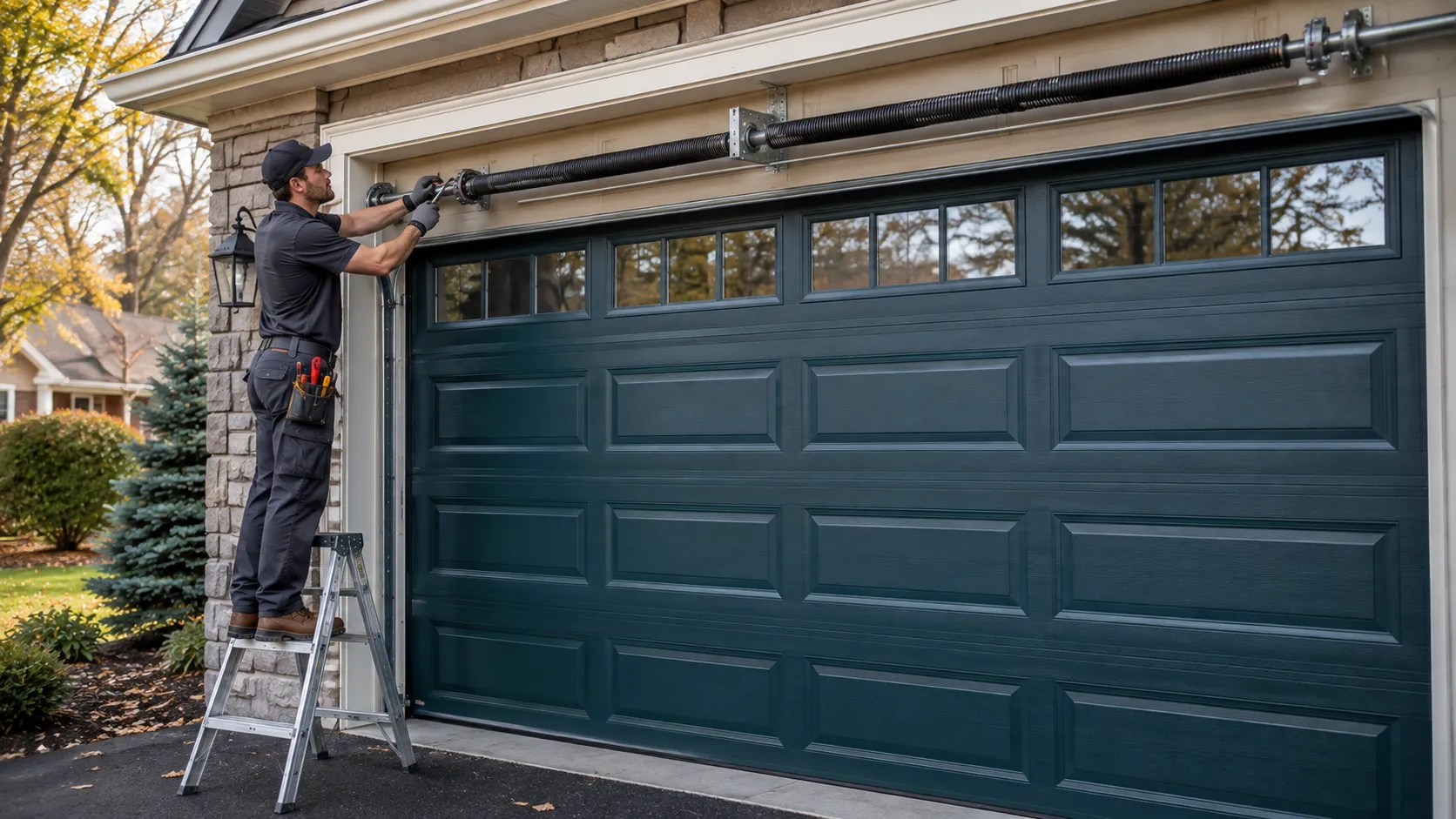
You go to leave for work, hit the button, and the door doesn't move - or it moves an inch and stops, cable hanging loose on one side. That's a torsion spring letting go, and in Evanston it happens more in January than July. Most of the houses in this part of the county went up between 1938 and 1992, with the median build year around 1959, which means a lot of garages still carry the original spring sizing and side-mounted torsion hardware from that era.
Nobody makes those exact parts anymore, so a repair here often means re-torquing the whole system to a modern equivalent, not just swapping in a like-for-like coil. That's true across the pre-1960 stock that covers most of the named areas around here, not just a few blocks. The door itself usually isn't the problem - it's the 60-plus-year-old hardware trying to do a modern job.
Steel fatigues with age and with cold, and a spring that's been flexing since the Eisenhower administration doesn't have much give left. If your door is from that build era and it's never had the spring replaced, cold weather is when you find out.

The area
When It Stops Being a DIY Job
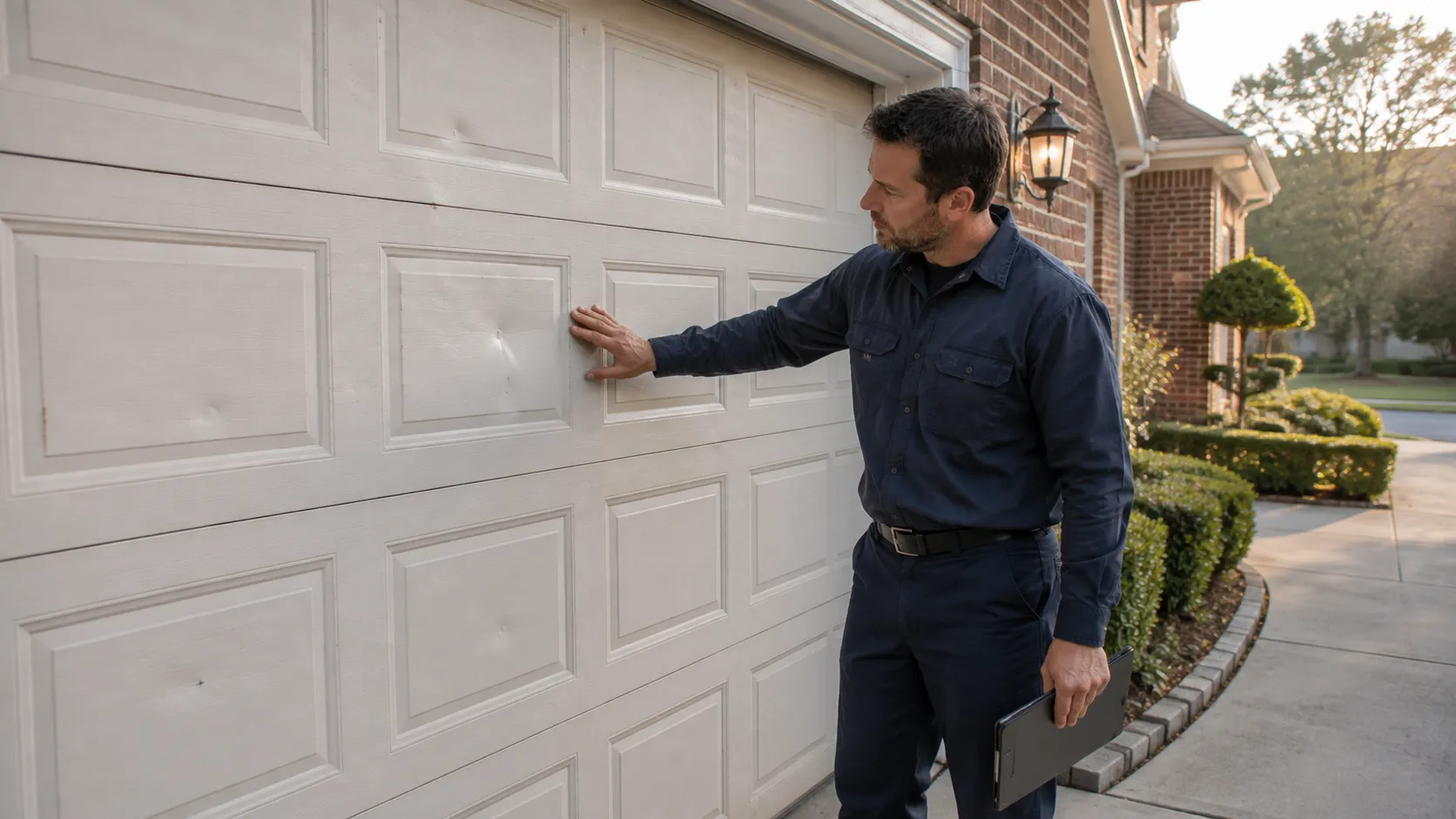
A spring under tension can put you in the hospital, and that's true no matter how old your house is. But on the older doors common here, there's a second reason to stop: the winding cones and end bearing plates on original 1950s and 1960s hardware are often undersized or worn past spec, and a DIY spring kit sized for a modern door won't seat right on them. If the drum, cable, or track shows rust pitting - common on garages that have sat through decades of Evanston winters - replacing just the spring can mask a bigger problem and leave you back here in a year.
I'll say plainly: if your opener is newer than your spring setup, or if anyone's added an aftermarket opener to original hardware without upgrading the mounting, that's not a weekend fix. Where I draw the line for a homeowner is simple - if you can identify the spring size and winding direction and you're comfortable with clamping tools, a single torsion spring on a lighter door is doable. Two springs, high-cycle openers, or anything on hardware older than the house's opener is where I'd rather get the call first.
What we find
The Cost of This Job
I'm not going to put a number here that isn't backed by real data for this job, because the honest answer is it depends on what the cold actually broke. A single spring swap on newer hardware costs less than a full re-hang where the drums, bearing plates, and cable are all original to a 1959-era door. What drives the price up around here specifically is the age of the hardware, not the brand of door - matching a modern coil to a decades-old drum size sometimes means replacing more of the assembly than the spring alone.
What I can tell you is that this area has a median household income near $91,000 across a service area of nearly 279,000 households, which is context for why a repair should be priced as a repair, not upsold into a full door replacement unless the track or panels are actually failing too. If a shop won't give you a breakdown of what's original versus new in the estimate, ask before you sign - on houses this age, that breakdown matters more than the total line.
How we work
What the Weather Here Does to It
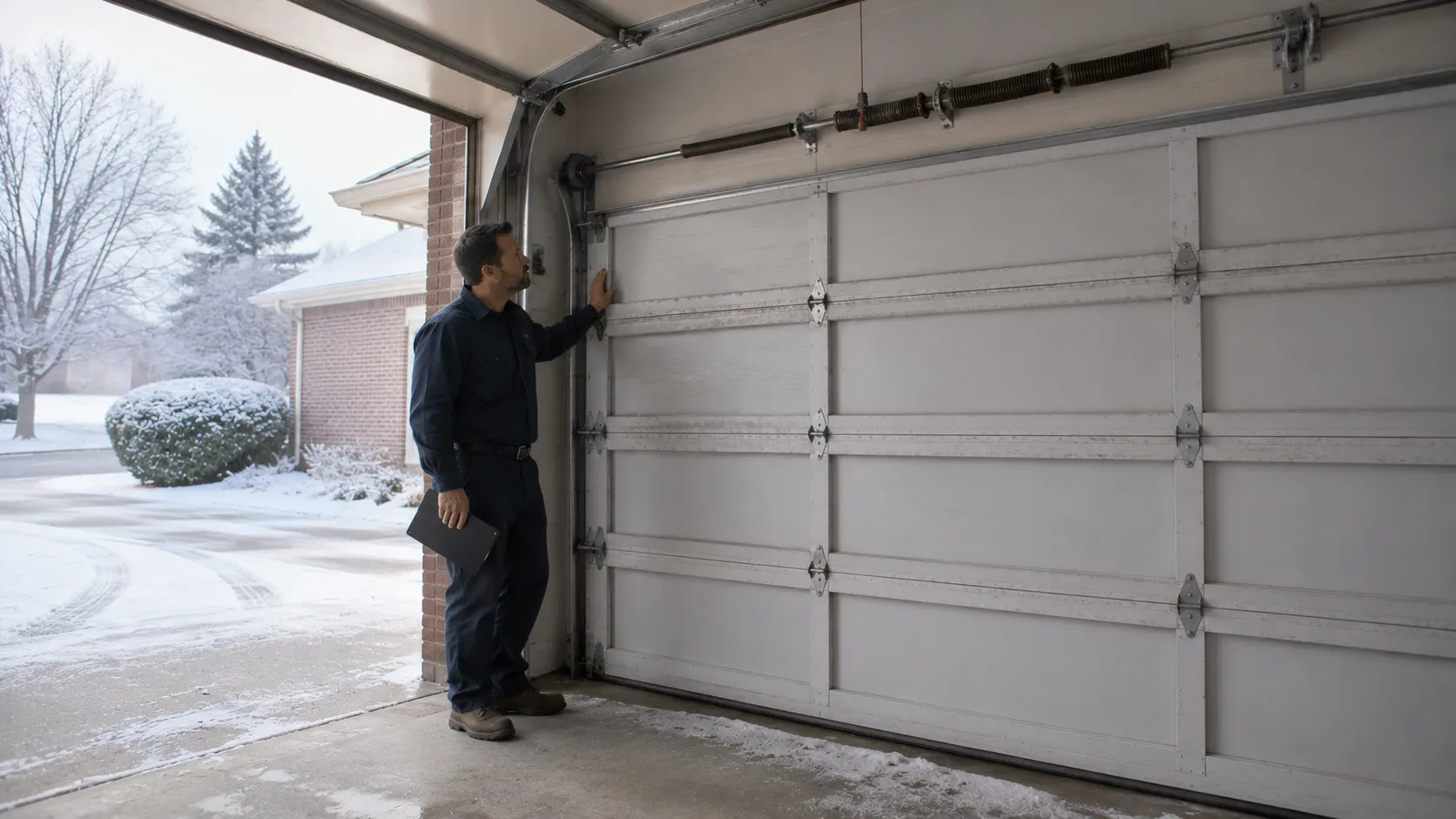
Evanston sits in a cold, moderate climate band, and that matters for spring steel specifically. Cold makes steel more brittle and less able to flex, so a spring that's been slowly fatiguing for years tends to finally snap on the coldest mornings rather than in July. It's not that cold causes the wear - the wear was already there from thousands of open-close cycles - cold is just when the metal runs out of give. On the original hardware still found across most of the pre-1960 housing stock here, that failure point tends to arrive earlier than it would on a newer, properly sized spring.
Garages that face north or sit unheated feel this first, since the steel never gets a chance to warm back up between cold spells. If you've noticed your door getting louder or slower to open as temperatures dropped this winter, that's usually the spring telling you it's close to done, not the opener. Catching it before full failure means a scheduled repair instead of a door stuck shut on the coldest morning of the year.
Questions
Common questions
Why did my spring break in the cold and not some other time of year?
Cold makes spring steel more brittle, so a spring that's already fatigued from years of cycling is more likely to finally snap when temperatures drop. The wear built up over time - cold weather is usually just the trigger, not the cause.
My house was built in the 1950s. Does that matter for this repair?
It can. A lot of the housing stock in this area dates to that era, and original torsion hardware from then often doesn't match modern spring sizing exactly. A repair sometimes needs to update the bearing plates or drums along with the spring itself.
Can I just replace the spring myself?
On a single-spring, lighter door with hardware you can identify, some homeowners do it. On older houses with two springs, worn drums, or an opener added after the original install, I'd rather get a call first - the tension involved can cause serious injury.
How much should I expect to pay?
It depends on whether it's a straight spring swap or a repair that also needs new drums or bearing plates because of older hardware. I can't quote a number without seeing the door, but I'll break down what's original versus new before any work starts.
Ready when you are
Need a garage door sorted in Evanston?
Evanston Garage Door Pros repairs and installs garage doors, springs and openers in Evanston, IL and the surrounding area.