
Elmwood Park, Evanston IL
Garage Door Repair for Elmwood Park's 1950s Housing Stock
Serving Elmwood Park's 1950s housing stock from Evanston, 11 miles out. Torsion springs, opener swaps, and panel repair for pre-1960 garage doors.
Local detail
What That Means for Doors
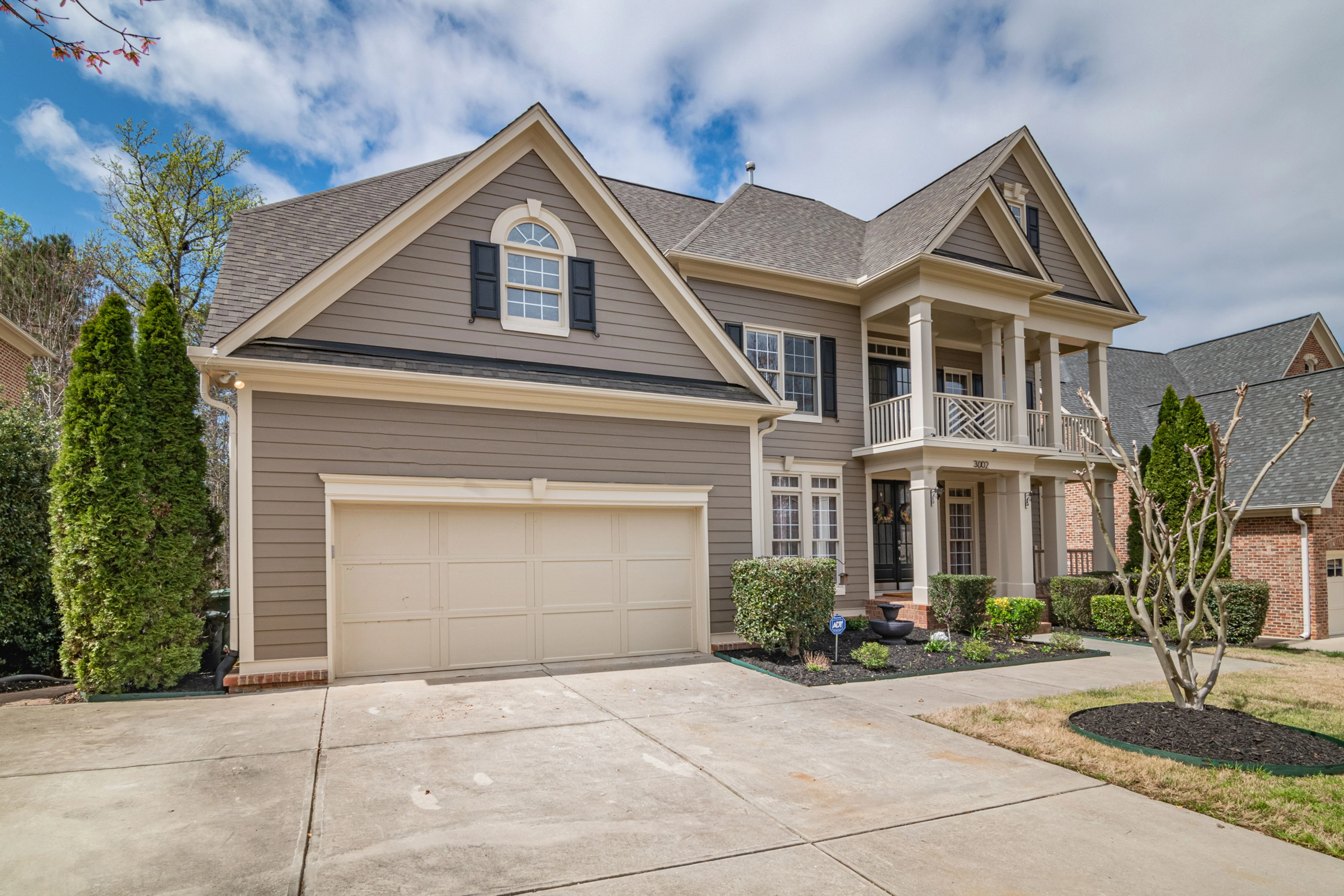
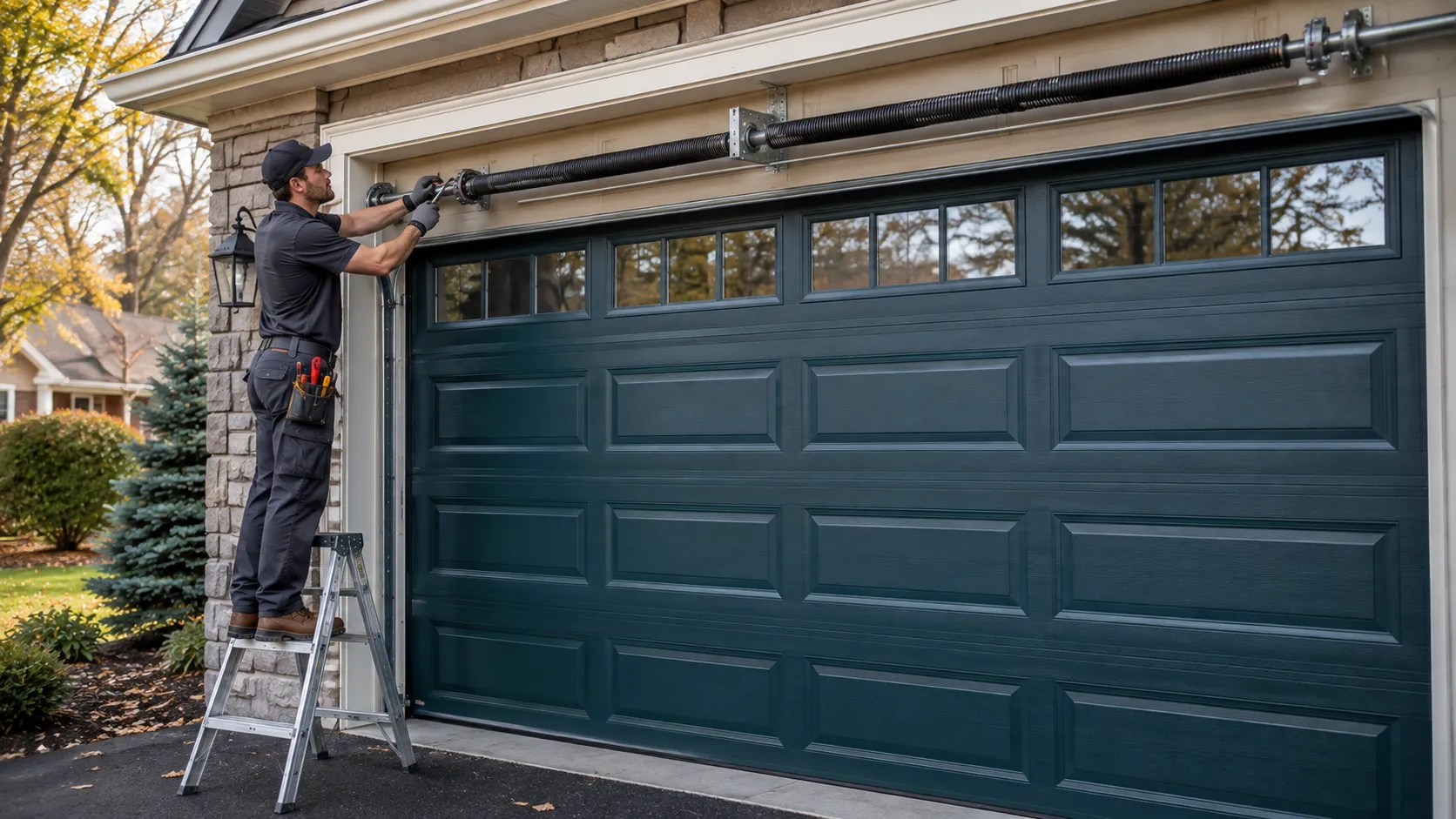
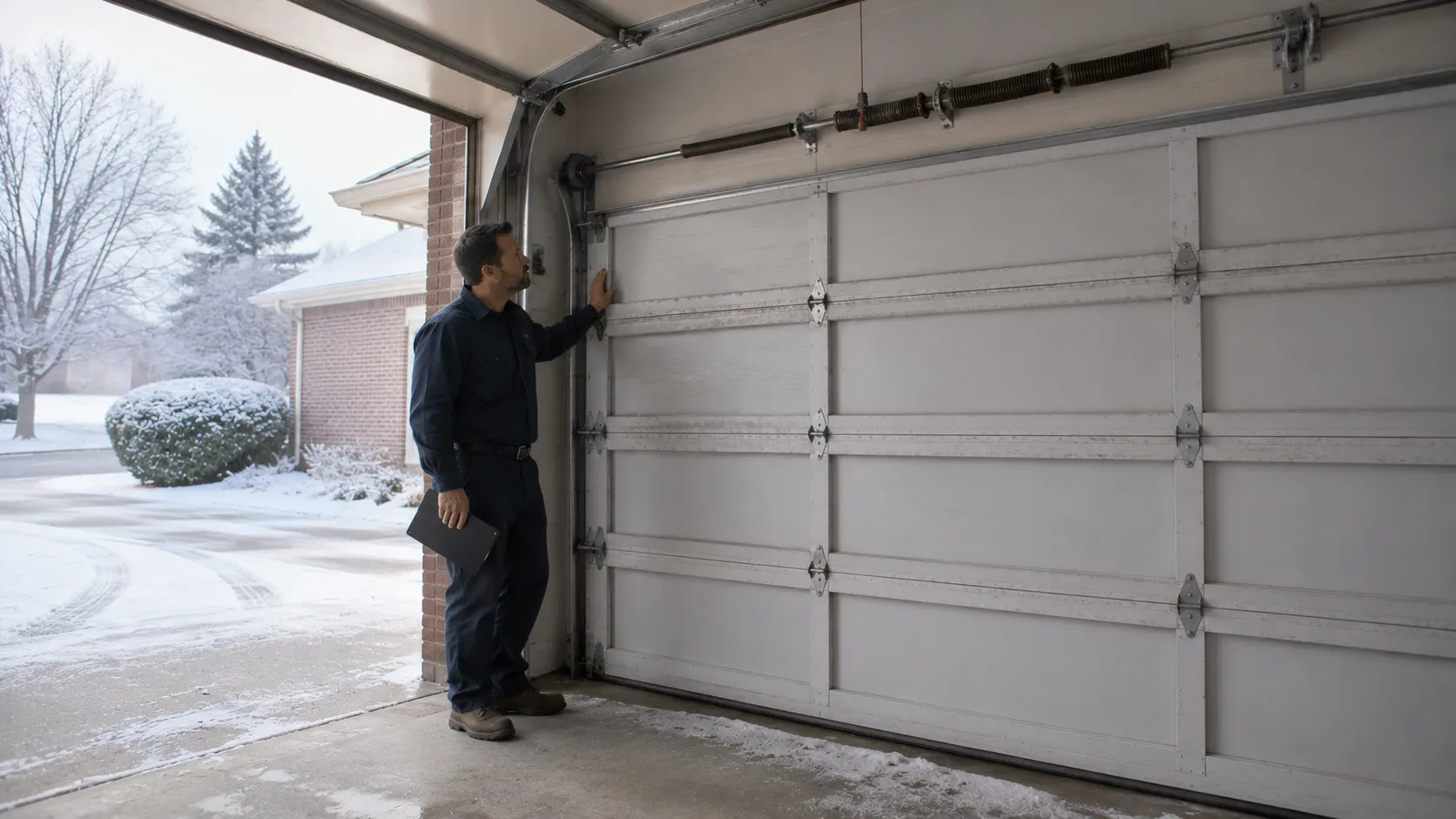
Elmwood Park's houses went up around a median year of 1956, which puts most garages here a few years ahead of the broader service area's 1959 median. That gap matters more than it sounds. Doors installed in the mid-1950s often ran on older extension spring setups before torsion conversions became standard practice, and a lot of those original jambs and tracks were sized for lighter wood-panel doors, not the heavier steel or insulated doors homeowners install today. When a retrofit doesn't account for that, you get a door that binds on the track or an opener straining against a spring that's wrong for the weight.
We see this pattern often enough in homes from this era that it's usually the first thing we check, not the last. The cold-moderate climate here also means steel doors without a thermal break can rack slightly in temperature swings, which shows up as a door that closes crooked in January and fine in July. None of this is unique to any one house - it's a function of when the neighborhood was built and what was standard practice at the time.
The area
What Was Built Here
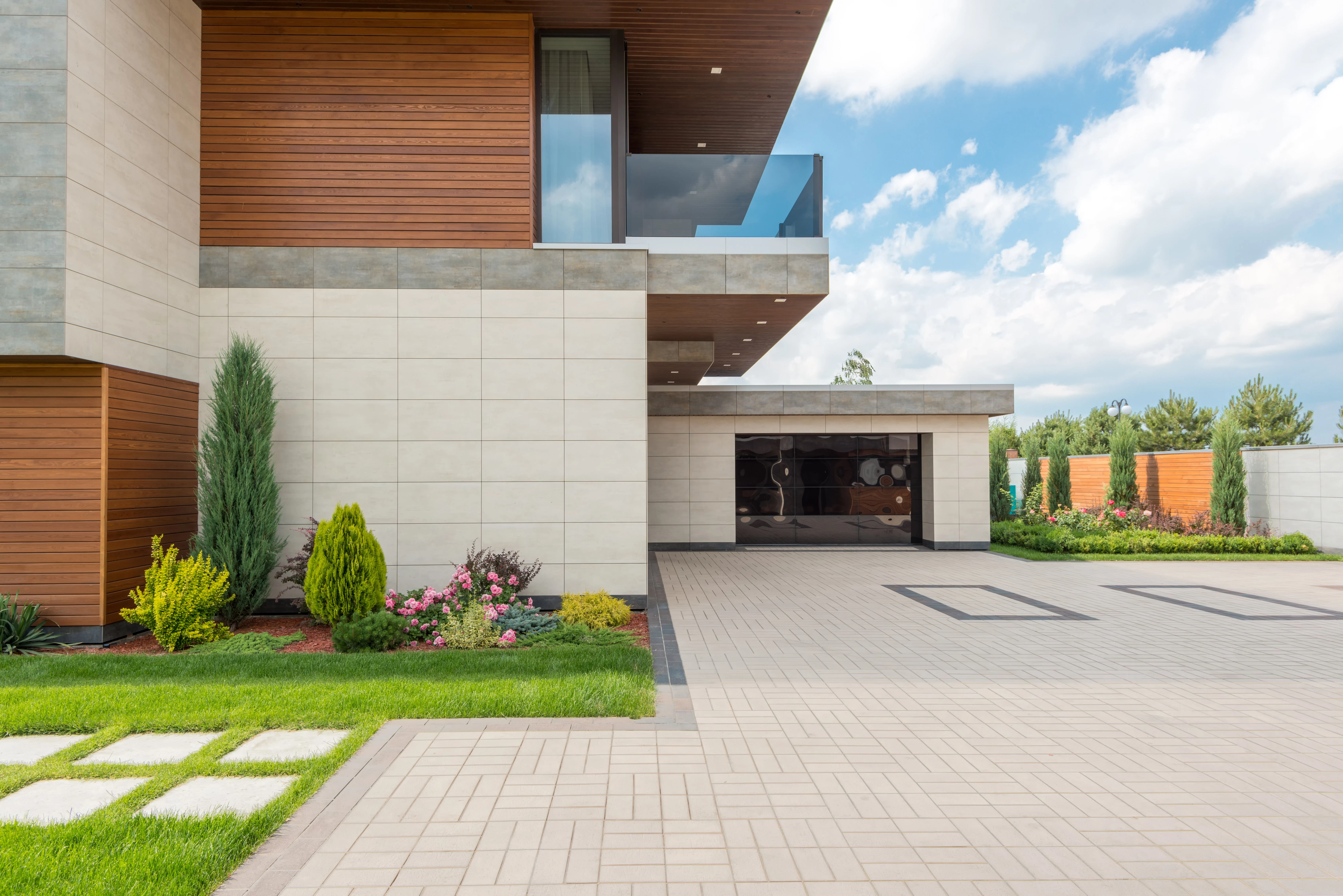
With a median build year of 1956, Elmwood Park sits inside the broader pattern of pre-1960 construction that covers most of this service area - houses put up fast after the war, on similar lot widths, with garages that were often single-car and attached as an afterthought rather than designed in from the start. That means narrower door openings than you'd find in newer construction, and hardware brackets mounted to framing that wasn't always leveled with today's tolerances. About 9,094 households call this area home, and a large share of the housing stock shares this same era and the same handful of structural quirks - low headroom above the door, shallow tracks, and jamb width that doesn't always match what a modern door kit assumes.
We don't guess at this from a spec sheet; it's what shows up on the truck ride over from Evanston, 11 miles in. Median household income here runs around $84,121, which tends to track with owners who want a repair done right the first time rather than a stopgap, and that's the approach we bring.
What we find
What We Do Not Do
We don't stock every legacy part for doors built before 1960 on the truck - some hardware from that era, especially odd-width track brackets or discontinued extension spring sets, has to be special-ordered, and we'll tell you that up front rather than jury-rig something that won't hold. We also don't recommend patching a door that's more rust than panel; past a certain point, a repair costs nearly what a new door does and doesn't last as long.
And we're not a same-day dispatch out of a local depot - we travel from Evanston, so if your spring snaps on a Sunday night, we'll get you a real appointment window, not a promise we can't back up. If a job needs a permit pull or falls into structural work beyond the door itself, that's outside what we do, and we'll say so instead of taking the job anyway.
How we work
What People Here Ring About
The calls we get from this side of the coverage area tend to follow the housing stock. Torsion springs original to a 1950s garage that finally give out after decades of cycles. Openers that were retrofitted onto original track and never quite aligned right, so they grind or reverse mid-close.
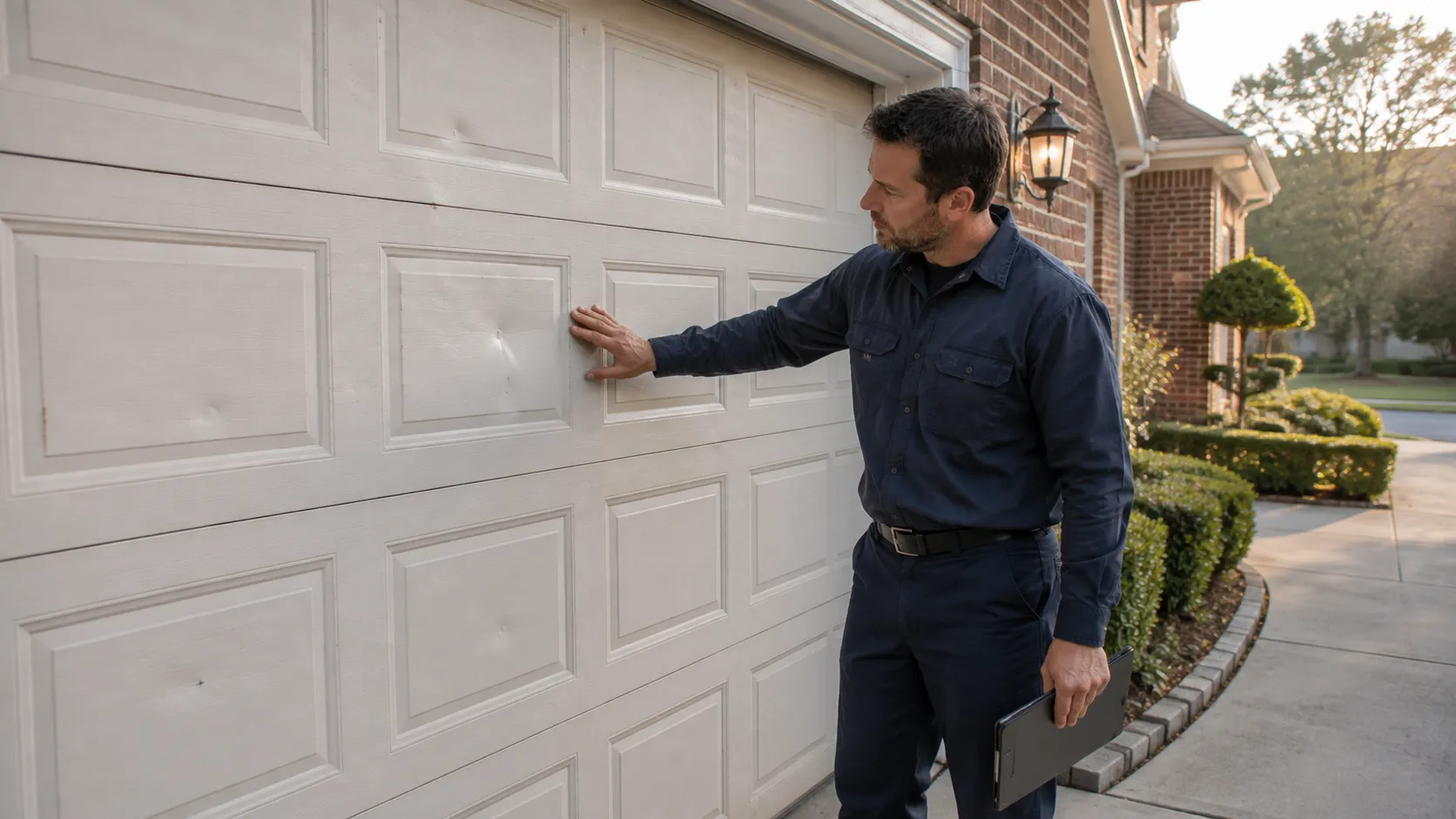
Panel replacement where a single section on an old wood or early-steel door has rotted or dented and the rest of the door is sound enough to keep. Given the median income and household count here, we also hear from owners doing a full door swap as part of a broader home update - going from a single narrow door to something wider, which means reframing the opening, not just hanging a new door on old hardware. It's less about emergencies and more about doors that have quietly been wearing out for years.
Service areas
Other areas we cover near Elmwood Park
Questions
Common questions
Do you have a location in Elmwood Park?
No. We're based in Evanston and drive out to Elmwood Park, about 11 miles, for scheduled jobs. We don't advertise a local depot or same-day guarantee here because we're not staged in the area - just upfront about the drive.
Why does my 1950s garage door bind on one side?
On houses from this era, tracks and jambs were often sized for lighter original doors. If a heavier replacement went in without adjusting the hardware, the door can bind or run crooked, especially as temperatures swing through a cold winter.
Is it worth fixing an old wood panel door or replacing it?
Depends on the rot and how many panels are affected. One damaged section on an otherwise sound door is usually a repair. Widespread rot or warping across multiple panels usually costs close to a full replacement anyway, so we'll tell you honestly which side of that line you're on.
Ready when you are
Need a garage door sorted in Evanston?
Evanston Garage Door Pros repairs and installs garage doors, springs and openers in Evanston, IL and the surrounding area.