
Guide
Replacing a Garage Door in an Evanston House
A look at what replacing a garage door actually involves in Evanston, where most houses date to 1959 and the openings weren't built for today's standard sizes.
Local detail
The Situation
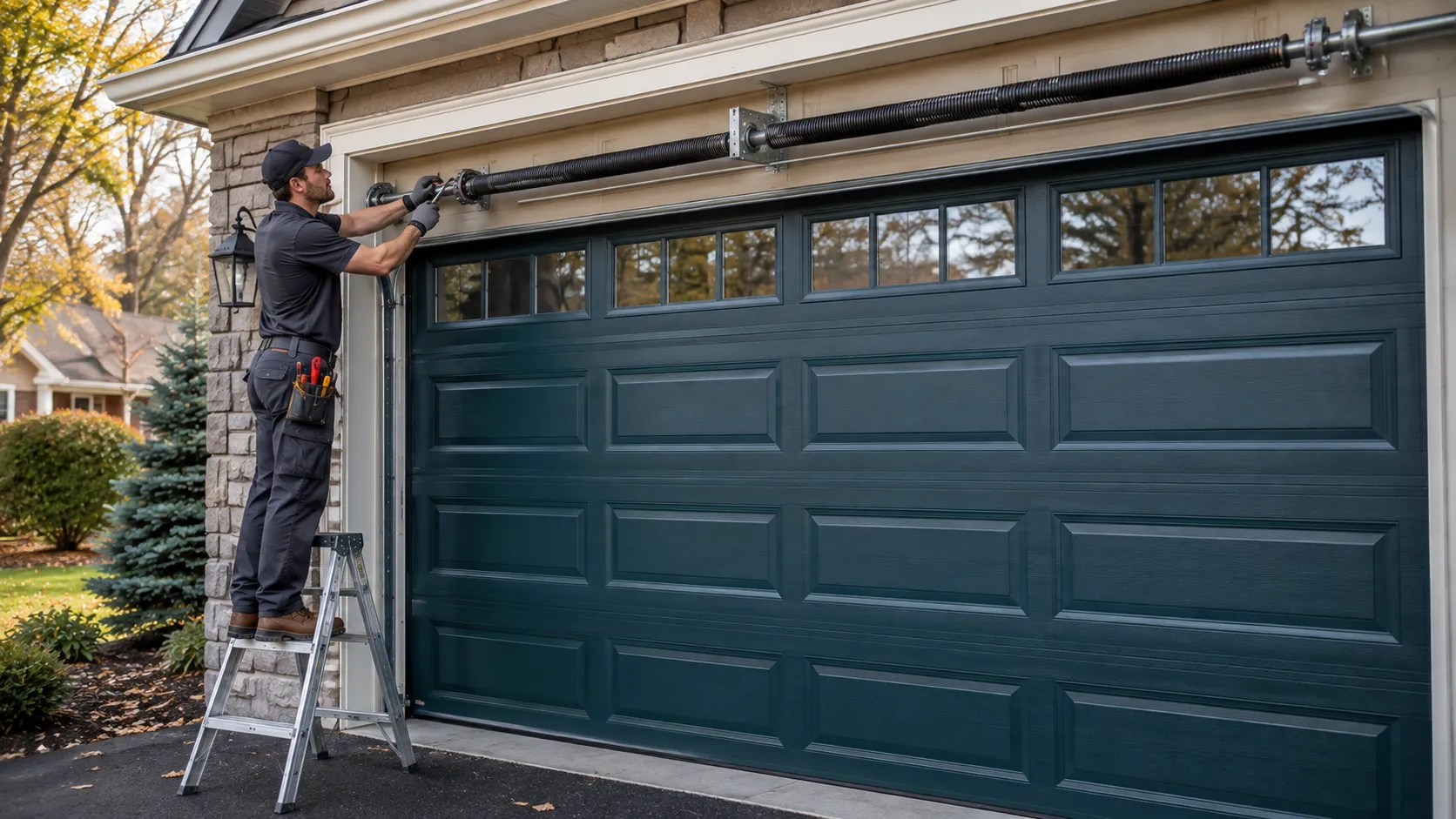
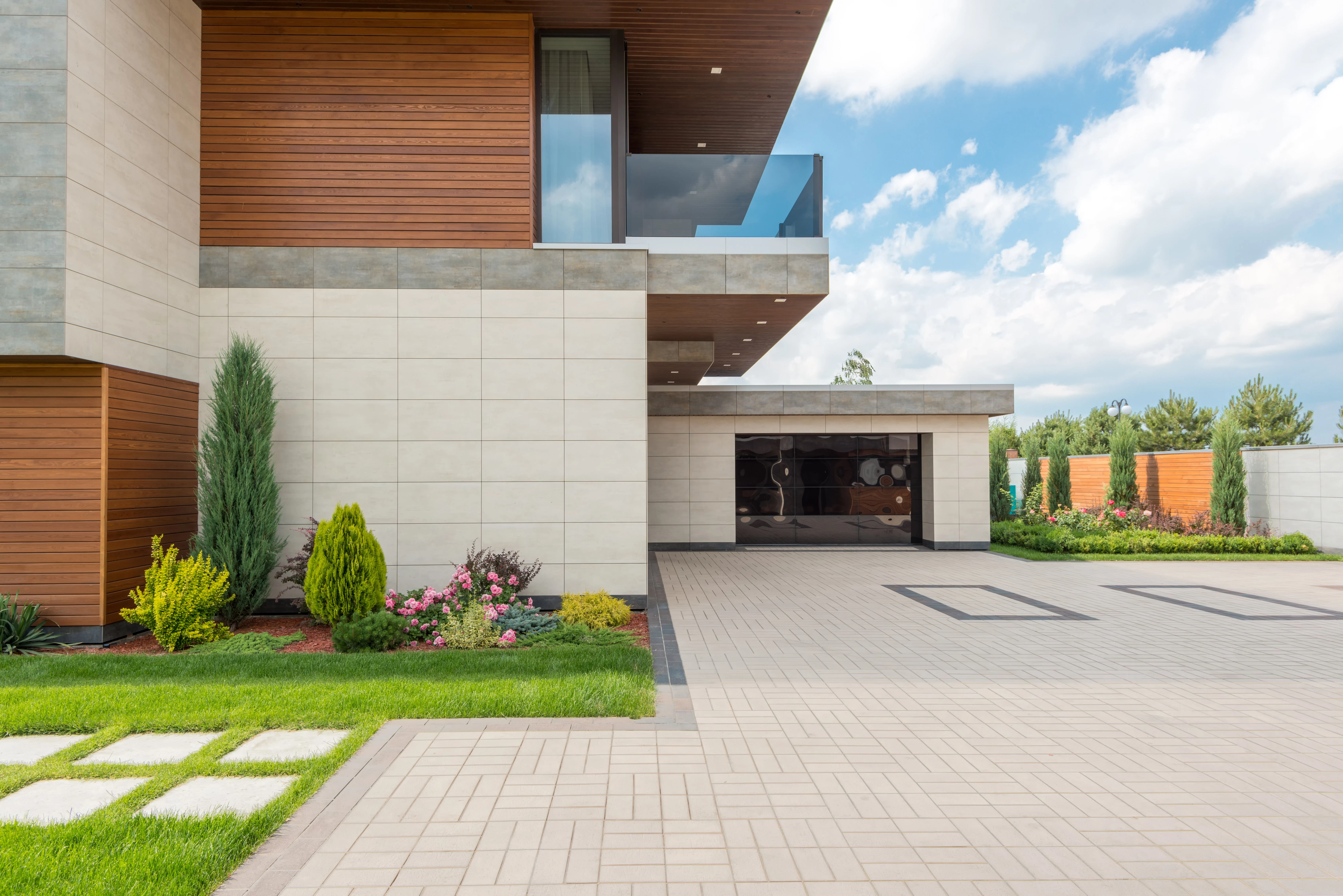
Most of the housing stock around here went up between 1938 and 1992, with the median build year sitting at 1959. That matters more than people think when it's time to replace a door instead of repair one. A door bought in 1959 wasn't sized to today's standard 9-foot or 16-foot openings - a lot of these garages were built for a single car, with framing and headroom that a modern sectional door has to be trimmed or custom-ordered to fit. Walk a few blocks in any direction near Rogers Park, about two miles southeast, and you'll see the same pattern: narrow single-bay openings next to newer double-wide additions where a garage got expanded sometime in the last few decades. Before you order anything, someone needs to actually measure the opening, the track space, and the headroom, because assuming a stock size fits is how a job goes sideways.
The area's median household income runs around $91,000, which puts insulated steel and better hardware within reach for most owners here - but that's a household-level decision, not something a page like this can price for you.
The area
When It Stops Being a DIY Job
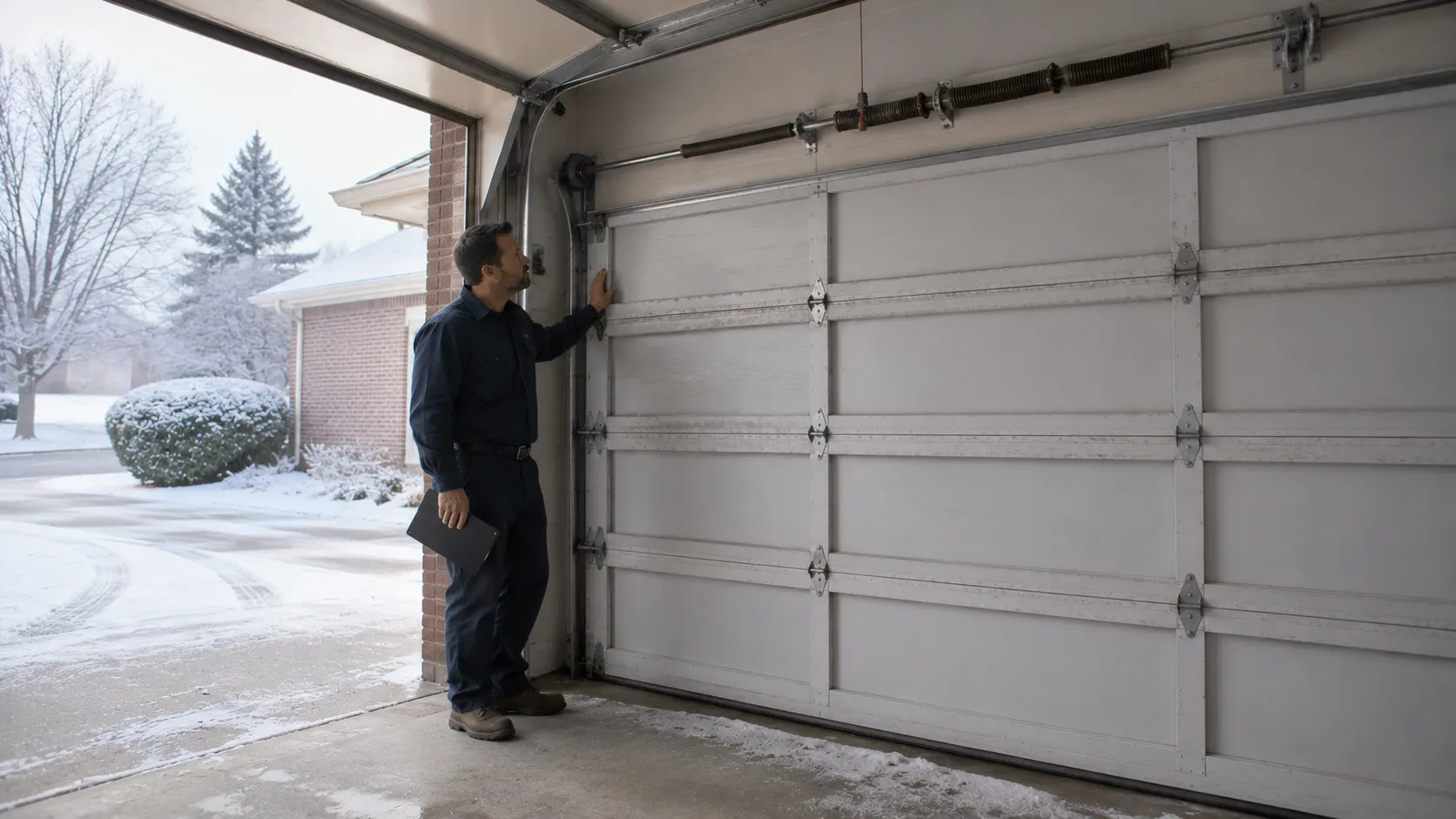
A straight swap - same size opening, same track layout, new door - is doable for a handy owner. What isn't: houses built before 1960 (which is most of this area's stock) often have jambs and headers that have settled or shifted over sixty-plus years. A door that looks like a standard size on paper may not sit square against framing that's moved. That's when a DIY install turns into cut lumber, shimmed track, and a door that binds on one side.
The other trigger is opener wiring and mounting. Older garages weren't built with an opener in mind, so the header often needs reinforcing before a new opener bracket goes up - not a job to discover halfway through a Saturday. If your opening is original to a pre-1960 build and you haven't had anyone confirm the framing is still square, that's the point to call someone rather than push through it yourself.
What we find
The Cost of This Job
I'm not going to hand you a number here - there isn't one price that fits a house built in 1938 and a house built in 1992, and quoting a flat figure without seeing the opening would be a guess dressed up as a fact. What actually drives the cost on a replacement job in this area is the age of the opening itself: non-standard sizing from the older single-bay garages means either a custom door or added framing work, both of which add labor beyond a stock double-door swap. Insulation level is the other real variable, and it's not optional here the way it might be somewhere warmer - more on that below.
What I can tell you honestly: if your opening is original to a home from the 1940s or 50s, budget for measuring and possibly minor framing work as part of the job, not as a surprise add-on. That's the one place where a phone call before ordering saves more than it costs.
How we work
What the Weather Here Does to It
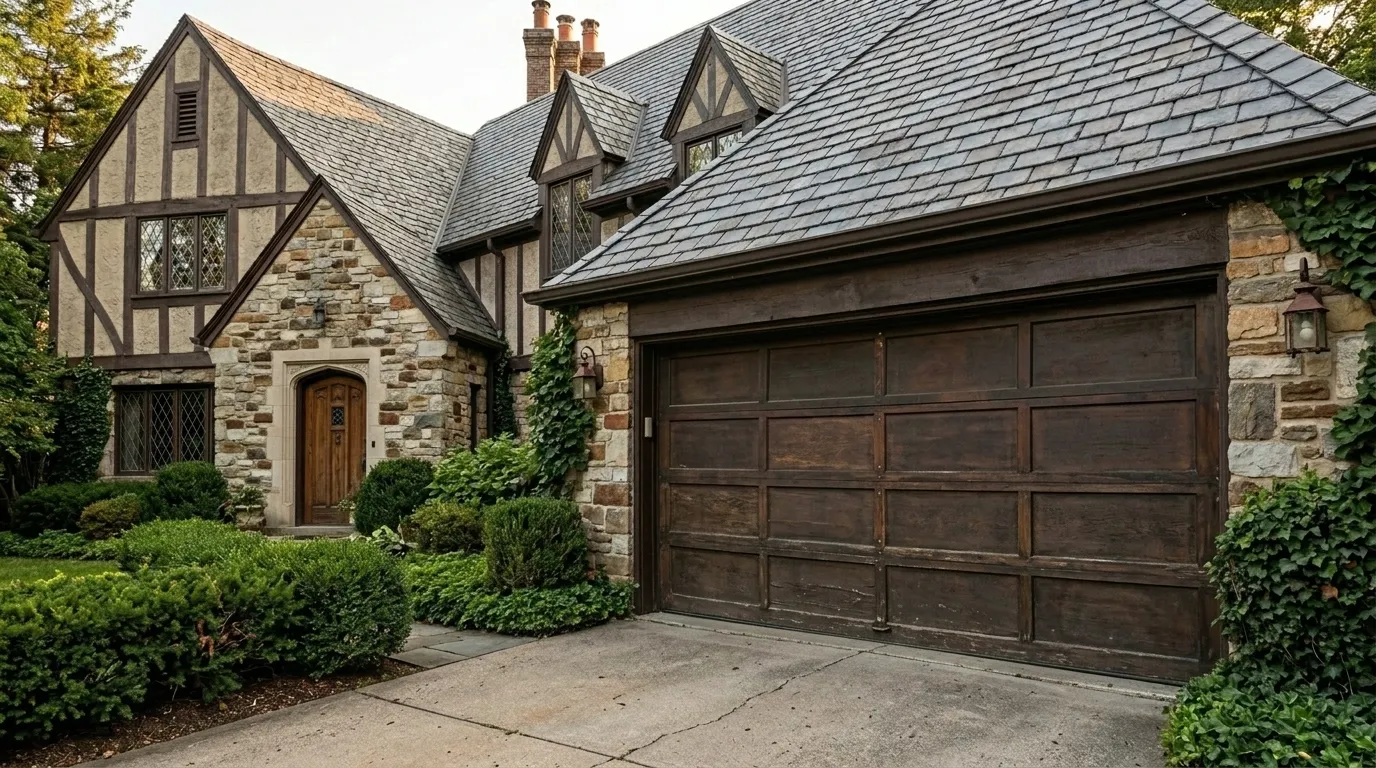
This area sits in a cold, moderate climate band, and that shapes what door actually makes sense to buy. A single-layer steel door with no insulation will transmit enough winter cold to make an attached garage noticeably colder than the rest of the house, and on older pre-1960 openings without much weatherstripping to begin with, that gap is worse. Cold cycling - freeze, thaw, freeze again through a typical winter - is also what kills unsealed bottom seals and stiffens nylon rollers faster than in a milder climate.
If you're replacing rather than repairing, this is the moment to upgrade to an insulated panel and a cold-rated seal, because you're not going to reopen that decision again for years. It's a harder case to make on a repair job, where you're just fixing what's there - but on a full replacement, skipping insulation in this climate is the kind of shortcut that shows up as a higher heating bill by the second winter.
Questions
Common questions
Will a standard-size door fit my garage?
Not always. A lot of houses in this area were built before 1960 with single-bay openings that predate today's standard sizes. Measure the actual opening, including headroom and track space, before ordering - assuming a stock 9-foot or 16-foot door fits an older opening is one of the most common replacement mistakes.
Do I need an insulated door here?
Given the cold, moderate winters this area sees, insulation is worth the added cost on a full replacement, especially for an attached garage. It won't matter as much on an unheated detached garage, but on anything sharing a wall with living space, an uninsulated steel door will show up on your heating bill.
Why can't you just quote me a price?
Because a house built in 1938 and one built in 1992 can need very different work - custom framing on one, a straight stock swap on the other. Anyone quoting a flat number without measuring the opening first is guessing.
Ready when you are
Need a garage door sorted in Evanston?
Evanston Garage Door Pros repairs and installs garage doors, springs and openers in Evanston, IL and the surrounding area.