
Guide
Why Safety Sensors Drift in Evanston's Older Garages
Evanston homes built mostly before 1960 have garage sensors bolted to brackets that have shifted for decades. Here's why they drift and when to call it in.
Local detail
The Situation
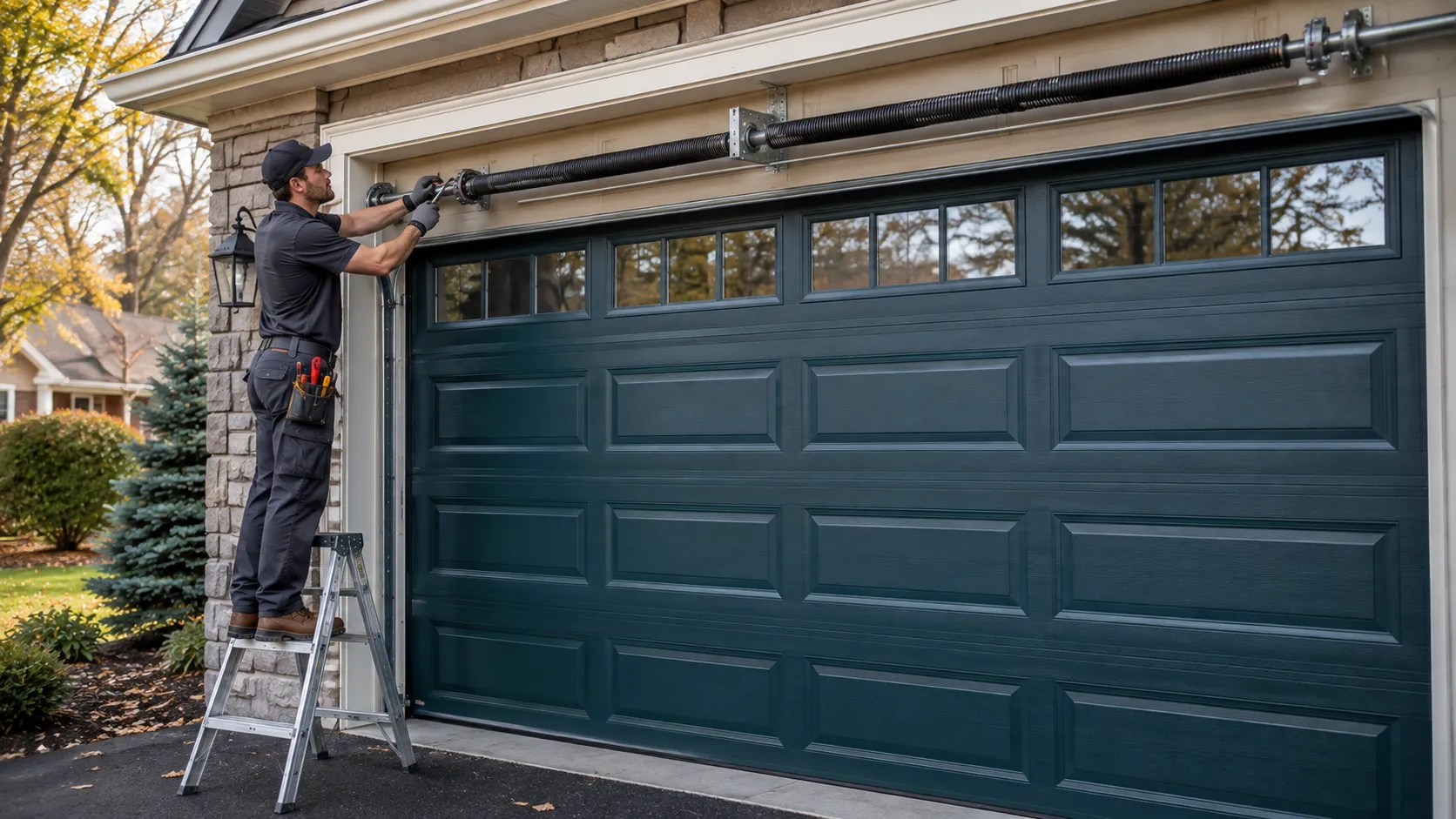
Most of the housing stock in this part of the North Shore went up between 1938 and 1992, with a median build year of 1959. That means a lot of garages here still have the original stud framing and slab pours from the Eisenhower era, even if the door and opener have been swapped out once or twice since. Safety sensors - the two eyes low on each track that stop the door from closing on something - get mounted to whatever bracket is there, and in a garage this old, that bracket has usually been drilled, redrilled, and painted over more than once. Across the 54 named areas that share this pre-1960 stock, the pattern repeats: a slab that's settled a half-inch over sixty years throws the sensor alignment off just enough that the door starts reversing for no visible reason, or stops closing at all.
It isn't usually a bad sensor. It's a bracket that's been asked to hold a straight line on a floor that isn't straight anymore. That's the starting point for almost every drift call we get from this side of town.

The area
When It Stops Being a DIY Job
Re-aiming a sensor is a five-minute job when the bracket is sound and the wiring is original to the opener. In houses from this era, neither is guaranteed. If the garage has been rewired at some point - a common thing in a structure built before 1960 and updated piecemeal since - the sensor wire may be spliced, taped, or running through a wall a previous owner didn't account for. At that point you're not aligning a sensor, you're chasing a short, and a short in a decades-old run is not a job to guess your way through with a level and a screwdriver.
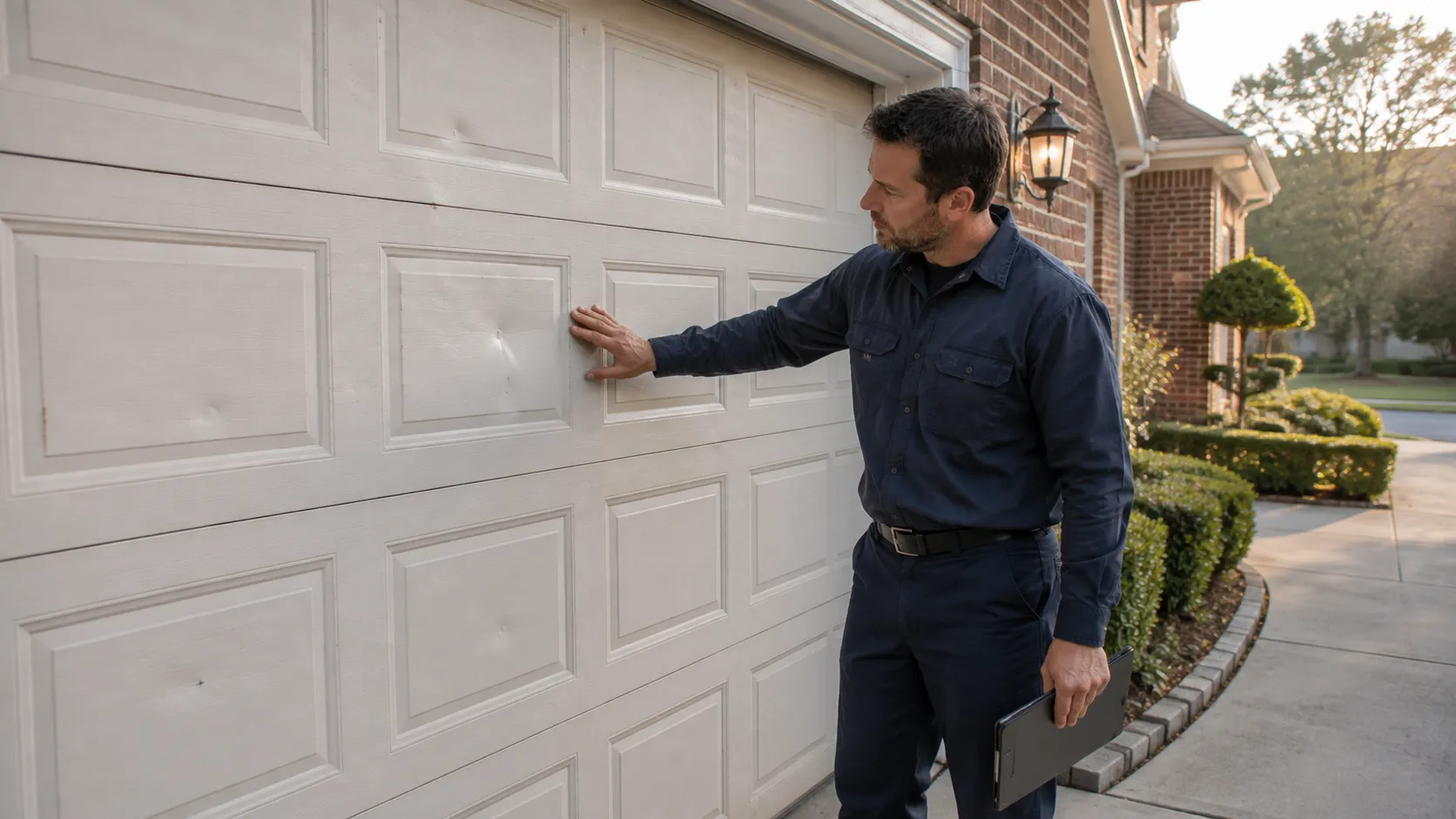
The other tell: if the bracket itself has rusted, cracked, or pulled loose from framing that's shifted with the house, no amount of re-aiming holds. You need it re-mounted to something solid, and on a house this old that sometimes means new backing, not just new screws. If you've re-aimed twice and it's drifted again inside a month, that's the wiring or the bracket, not your aim.
What we find
The Cost of This Job
We're not going to put a number here we can't stand behind - sensor jobs on houses this age vary too much house to house, because the fix depends on what's actually behind the bracket, not just what's wrong with the sensor. A straightforward re-aim and re-mount is a different job from tracing a spliced wire back through framing from 1959. What we can say: the age of the house, not the age of the opener, is usually what decides which of those two jobs you're getting.
Homes in this area carry a median household income around $91,000, and most owners we talk to would rather pay once for a bracket that's mounted into solid framing than pay twice because a quick fix didn't hold on a floor that's already shifted once. That's the honest trade-off: cheap and fast works until the slab moves again.
How we work
What the Weather Here Does to It
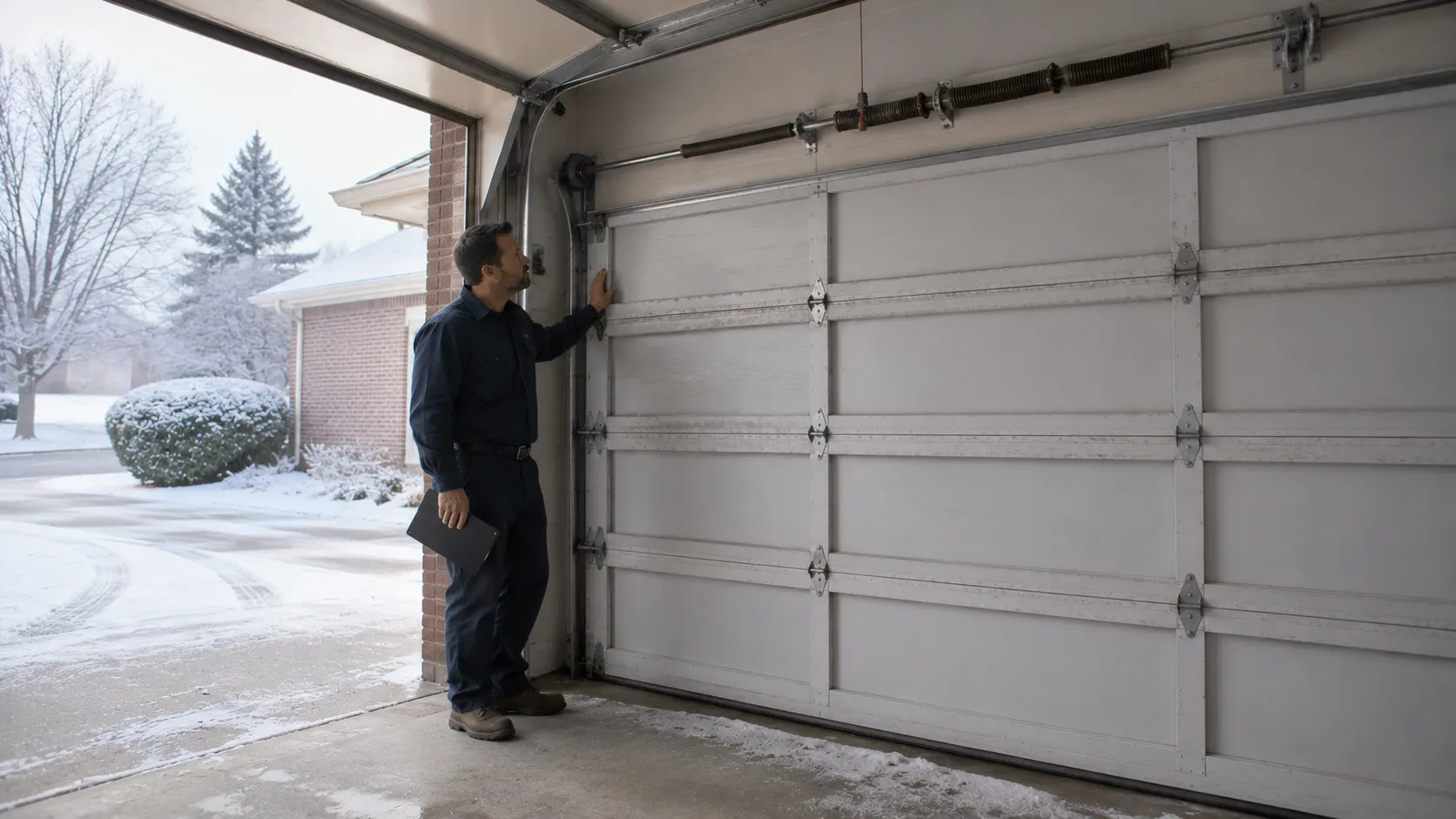
This area sits in a cold, moderate climate band, which means freeze-thaw cycles every winter rather than one hard freeze that stays put. That cycle is what moves the slab under an older garage a fraction at a time, year after year, and it's the slab movement - not the sensor itself - that causes most of the drift we see reported as "the door just stopped working." A sensor mounted low, a few inches off the floor, catches every bit of that movement directly. On a house built in the 1938-1992 range common to this side of town, that's sixty-plus winters of frost heave the bracket has had to absorb, one small shift at a time.
New construction elsewhere doesn't carry that history yet. Here, it's already baked into the garage, and it's why a sensor that was dead-on square in October can be a half-inch off by March.
Questions
Common questions
Why does my garage door reverse for no reason in winter?
In houses built before 1960, which is most of this area, the slab under the garage shifts slightly every freeze-thaw cycle. That moves the sensor bracket a fraction at a time. By late winter the beam is often just off-line enough to catch a reflection or miss its target, and the opener reads that as an obstruction and reverses.
Can I fix sensor drift myself?
If the bracket is solid and the wiring is original, yes - loosen it, re-aim the two sensor eyes until the indicator lights go steady, and tighten it back down. If the bracket is rusted, cracked, or the wiring has been spliced from an old rewire, that's a call, not a DIY fix.
How much does it cost to fix a drifting sensor?
It depends on whether it's a straight re-aim or a re-mount into new backing, which is common in houses from this era. We don't quote a flat number without seeing what's behind the bracket, since that's what actually decides the job.
Ready when you are
Need a garage door sorted in Evanston?
Evanston Garage Door Pros repairs and installs garage doors, springs and openers in Evanston, IL and the surrounding area.