
Harwood Heights, Evanston IL
Garage Door Service for Harwood Heights, IL
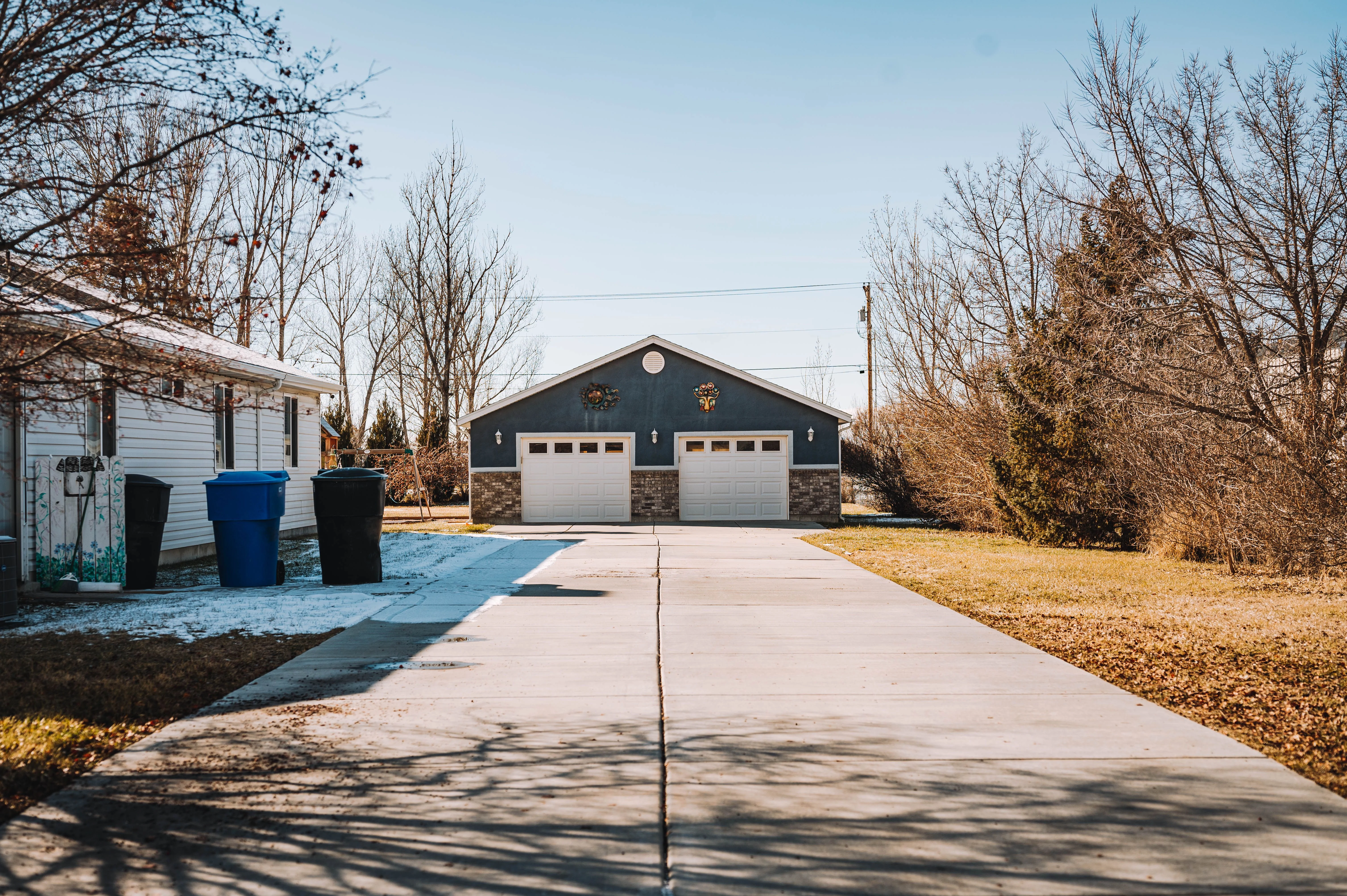
Harwood Heights homes cluster around a 1967 build year, different hardware than Evanston's older stock. We travel 8 miles out to handle springs, openers, and tracks here.
Local detail
What That Means for Doors
Harwood Heights sits at a median build year of 1967, which is later than a lot of what we see closer to Evanston. Houses from that stretch typically went up with steel sectional doors on extension springs mounted along the horizontal track, not the torsion bar setup that became standard in newer construction. That distinction matters when a spring lets go: extension springs fail differently, and the safety cables that should be threaded through them are the first thing we check, because a lot of installs from that decade skipped them or the cable has since snapped and never got replaced.
Openers from a 1967-era door are long gone by now, but the header bracket and track angle they left behind often haven't been touched, so a modern opener sometimes gets bolted onto hardware that was never squared right to begin with. That's a a common source of grinding noise and slow travel that has nothing to do with the opener itself. If your door came with the house, there's a decent chance the track spacing and drum size are original, which changes what part fits and what has to be special-ordered.

The area
What Was Built Here
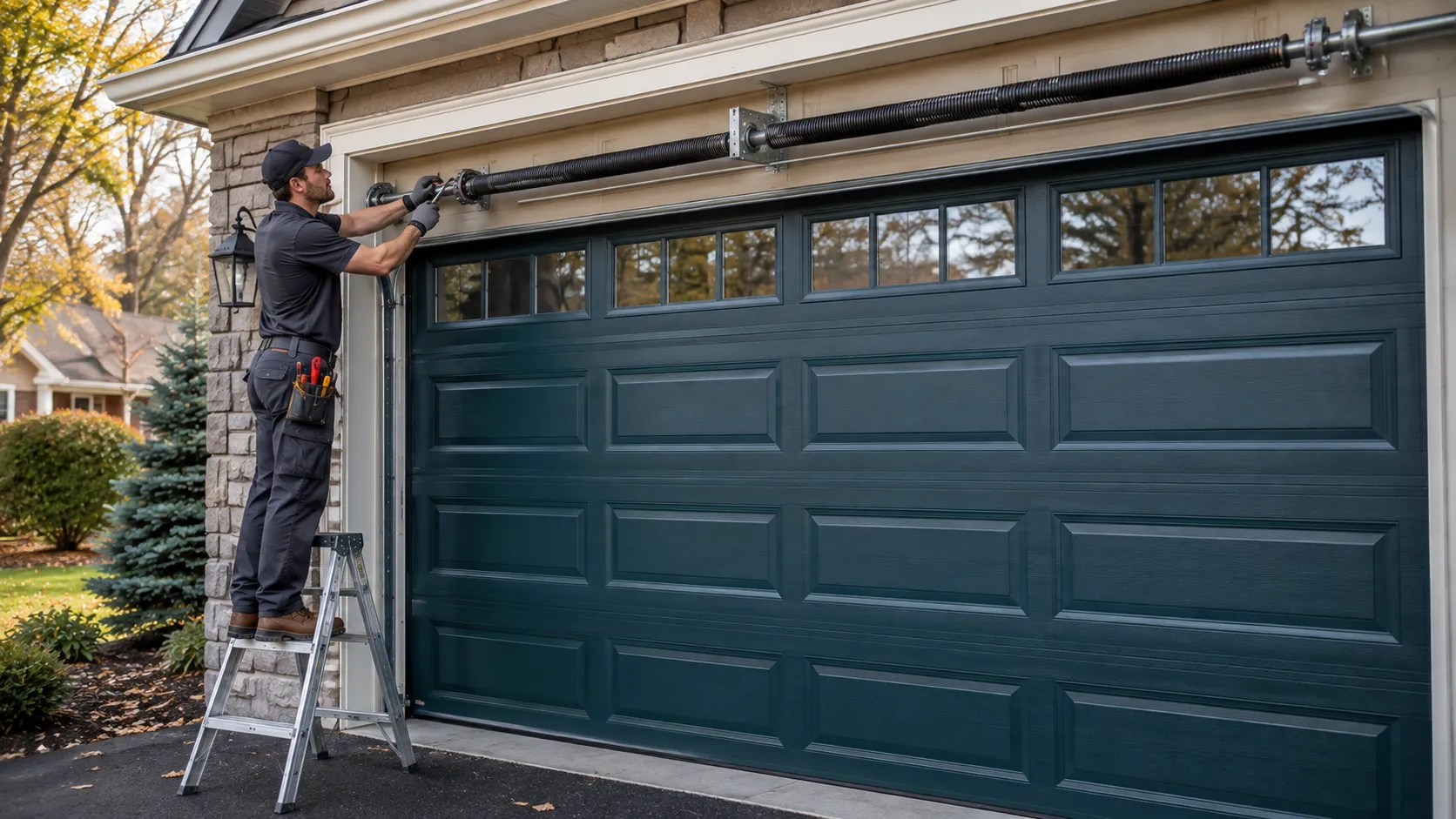
Across the wider area we work, most housing dates from 1938 to 1992 with a median around 1959, and most of the 54 named communities we cover lean pre-1960. Harwood Heights breaks from that pattern a bit, sitting closer to 1967, which puts it on the later edge of that range rather than in the thick of the oldest stock. That's a small but real difference: doors and openers installed through the 1960s tended to be lighter-gauge steel, single-layer, with less insulation than what came after.
The area has 3,582 households, and with a median income of $79,651, that's noticeably below the $91,003 median we see across the full service footprint, which tends to shift more of these jobs toward repair over full replacement when the hardware can be salvaged. Winter here falls into the same cold, moderate climate band as the rest of the region, which means steel doors from this era contract and expand enough in the cold to loosen fasteners and stiffen old lubricant on the rollers, something worth checking before the first hard freeze rather than after.
What we find
What We Do Not Do
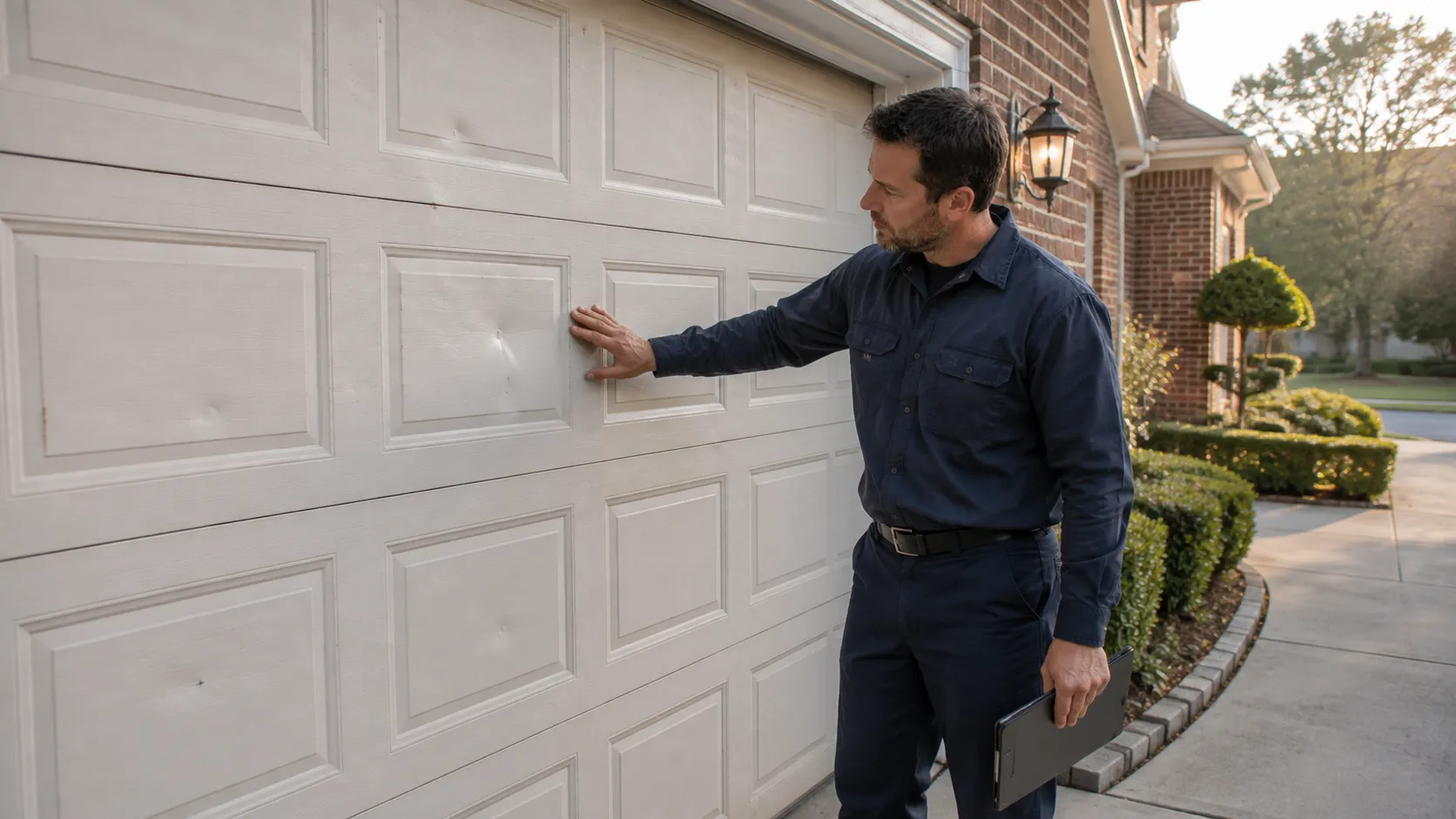
We run out of Evanston, not out of a shop in Harwood Heights, and the drive is about 8 miles each way. We don't keep a truck staged locally, so we can't promise the kind of immediate arrival a depot down the street might offer. We also don't try to force a modern torsion conversion onto original 1960s track brackets just to save a trip back out - if the header and jamb aren't built for it, we'll say so rather than jury-rig something that fails in six months.
And we don't stock every obsolete drum or extension spring size on the truck; some of the older hardware from this build era has to be special-ordered, which can mean a return visit instead of a same-day fix. If a door's frame is warped or the track spacing is non-standard for its age, replacement usually beats another repair, and we'll tell you that instead of billing for a patch.
How we work
What People Here Ring About
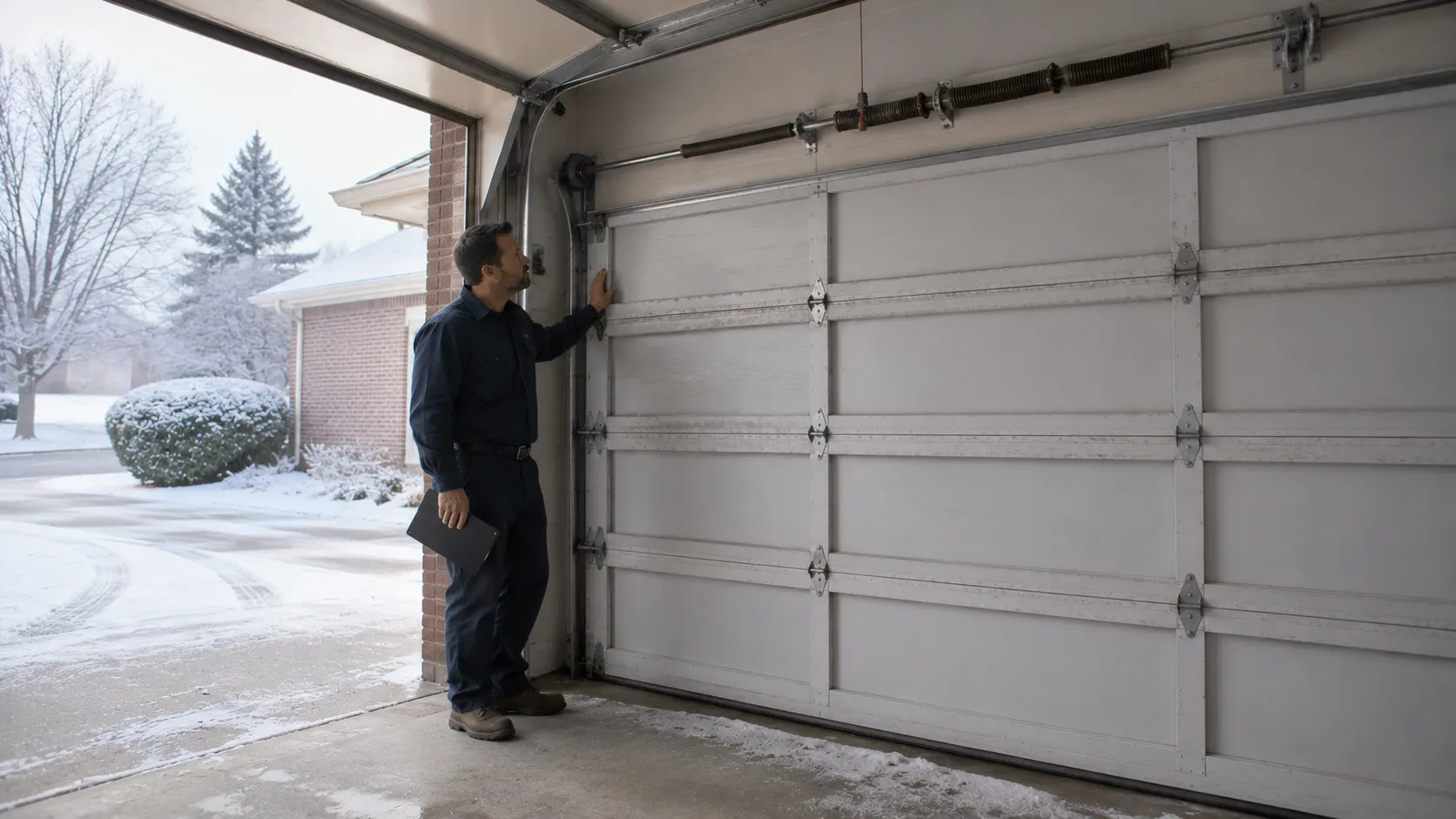
Most calls from Harwood Heights are extension springs, not torsion - a direct result of the 1967-era hardware still hanging on in a lot of these garages. Second most common is an opener that runs but won't fully close, usually traced back to a track that was never quite square to begin with, not a bad opener.
We also get calls about doors that bind partway up, which on this vintage of hardware is often the original horizontal track finally sagging where it bolts to the header. With 3,582 households in the area and a good share of the housing dating from the same decade, the fault patterns repeat: worn rollers, stretched extension springs, and safety cables that were either never installed or gave out years ago and were never noticed until the spring itself failed.
Service areas
Other areas we cover near Harwood Heights

Questions
Common questions
Why does my garage door in Harwood Heights use extension springs instead of torsion?
Most homes here were built around 1967, and that era commonly used extension springs mounted along the horizontal track rather than a torsion bar over the door. It's original to the house, not a sign of a bad past repair, though the safety cables through those springs should be checked.
Do you have a shop in Harwood Heights?
No, we run out of Evanston, about 8 miles away. We don't keep a truck staged in Harwood Heights, so we can't promise the fastest possible arrival, but we do cover the area regularly.
Is it worth repairing an old 1960s-era door or replacing it?
Depends on the frame and track. If the header and jamb are sound, we can often repair extension springs, rollers, or cables. If the track spacing is warped or non-standard for its age, replacement usually costs less over time than another patch repair.
Does the cold affect these older doors more?
The area sits in a cold, moderate climate band, and steel doors from the 1960s tend to have less insulation and thinner gauge than newer models. Cold can stiffen old lubricant on rollers and loosen fasteners, so a fall check before the first freeze helps.
Ready when you are
Need a garage door sorted in Evanston?
Evanston Garage Door Pros repairs and installs garage doors, springs and openers in Evanston, IL and the surrounding area.