
Evanston, IL
Garage Door Installation for Evanston's Older Housing Stock
Installing a new garage door on a house built before 1960 near Evanston takes different hardware than a new-construction job. Here's what that work actually involves.
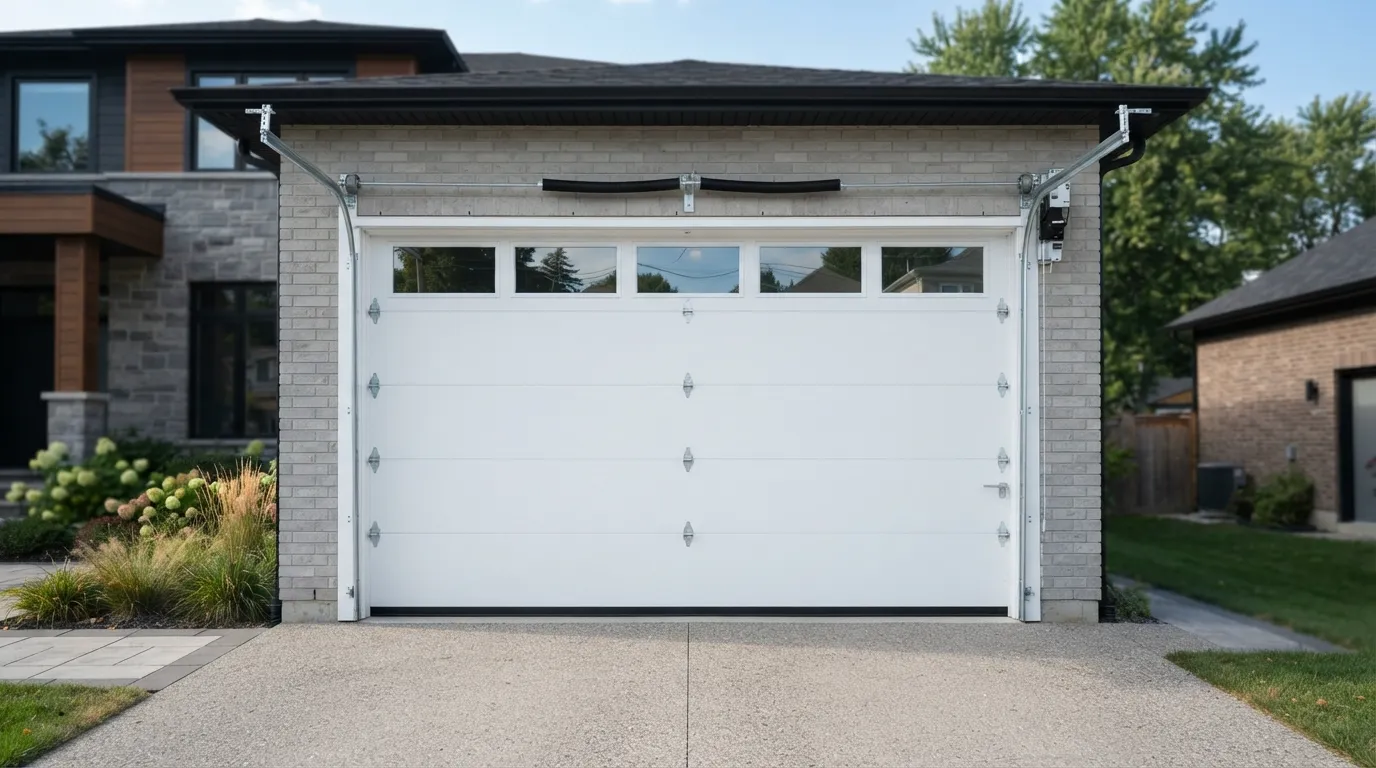
What we do
Garage door work in Evanston
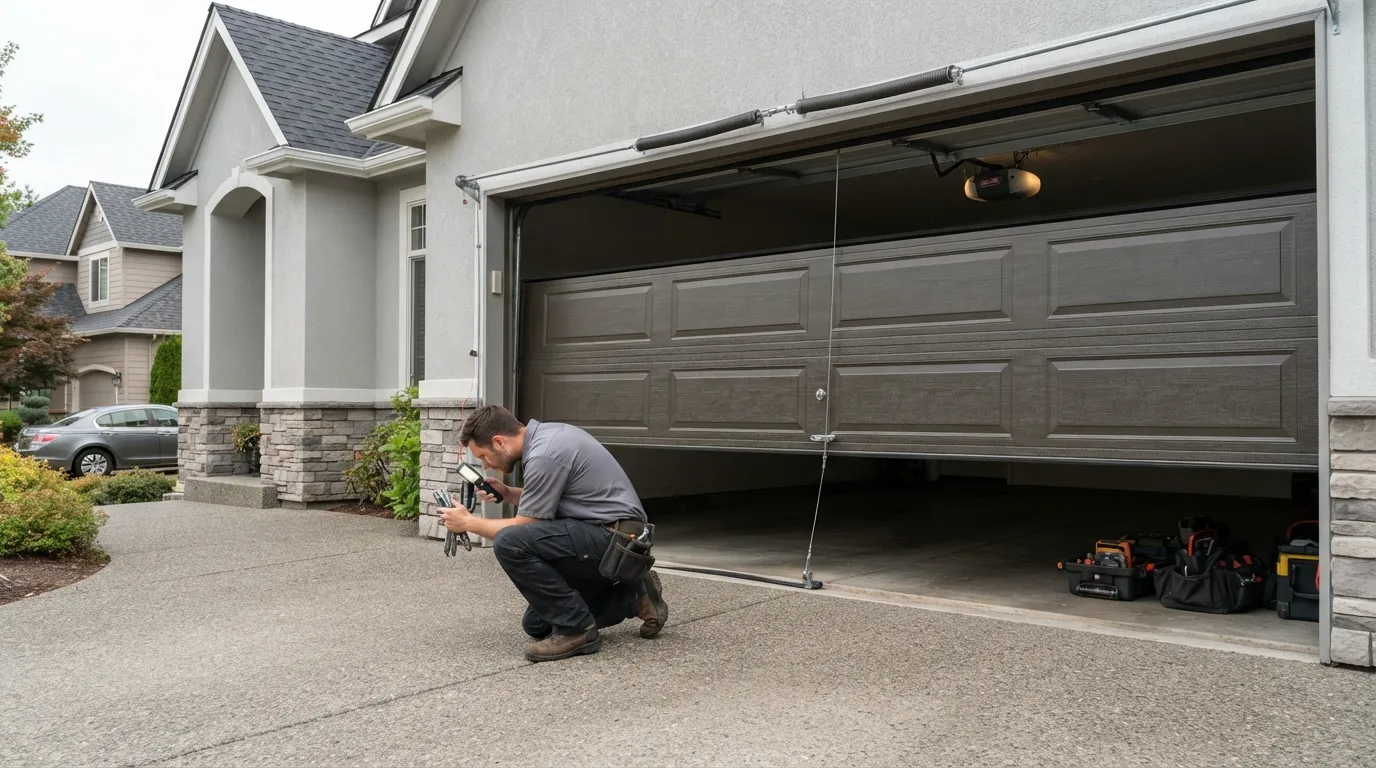
Garage Door Repair Built for Evanston's Older Housing Stock
Garage door repair for Evanston homes built 1938-1992, where original hardware and cold winters wear out springs and rollers faster than newer stock. Learn more →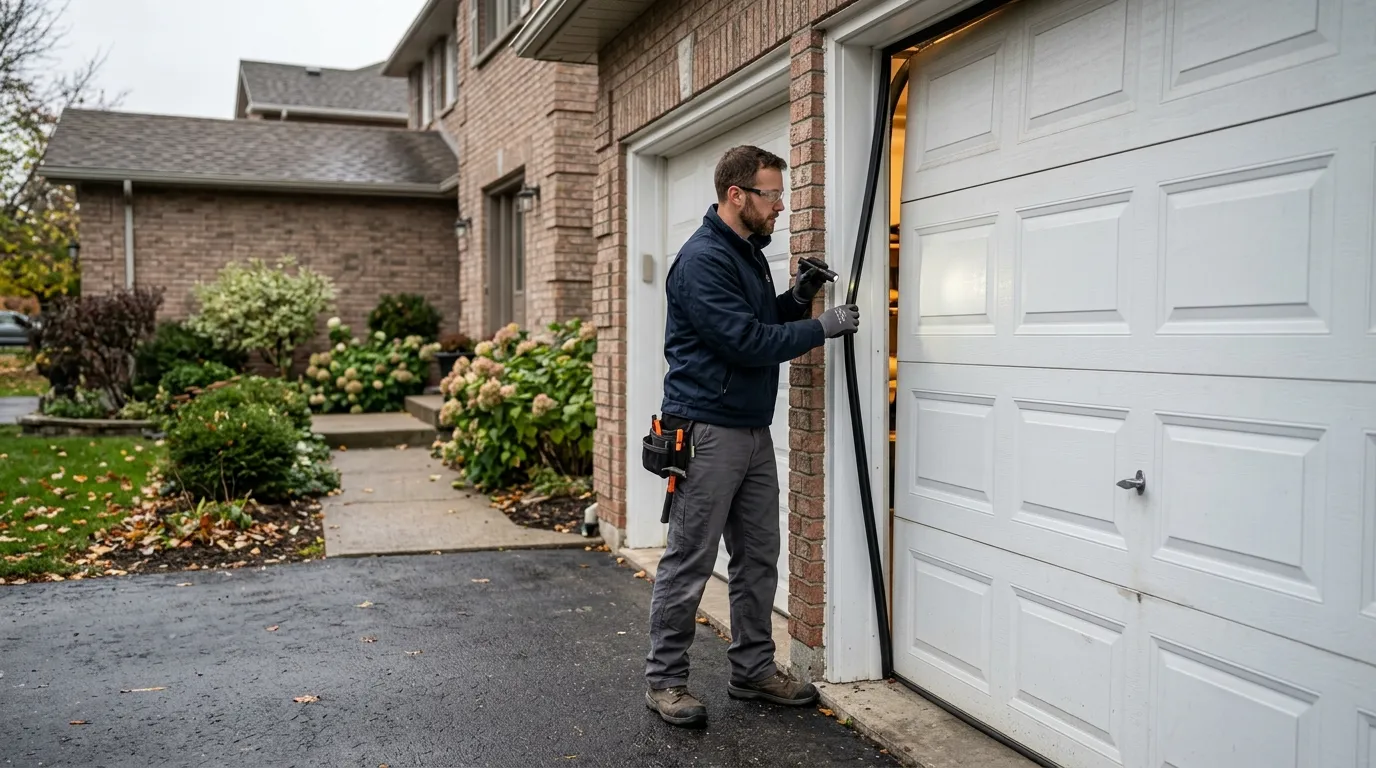
Garage Door Repair for Evanston Homes
Evanston Garage Door Pros repairs springs, openers, and tracks in Evanston's pre-1960 housing stock, matched to the cold-climate wear these older doors take every winter. Learn more →Local detail
What the Repair Takes
Most installation jobs in this part of Evanston aren't a straight swap. Housing here runs from 1938 to 1992, with a median build year of 1959, so the opening you're working with was framed for a door style that hasn't been made in decades. Before a new door goes in, we check the jamb width, the header height, and whether the track path clears the joists as-built - none of that matches current standard sizing on a lot of these garages.
On a house from that era, the opening is often narrower than today's 16-foot double, and the headroom above it can be tight. That means the installer has to choose between a low-headroom track kit or reworking the header, and that decision changes the labor time and the parts list before a single panel goes up. We also confirm the slab is level enough for a new bottom seal to actually seal - a lot of these floors have settled over sixty-plus years.
The honest limitation here: if the opening is out of square by more than a small margin, or the header's rotted, that's carpentry work first, door work second. We'll tell you straight if that's the case rather than forcing a door into a frame that won't hold it square.
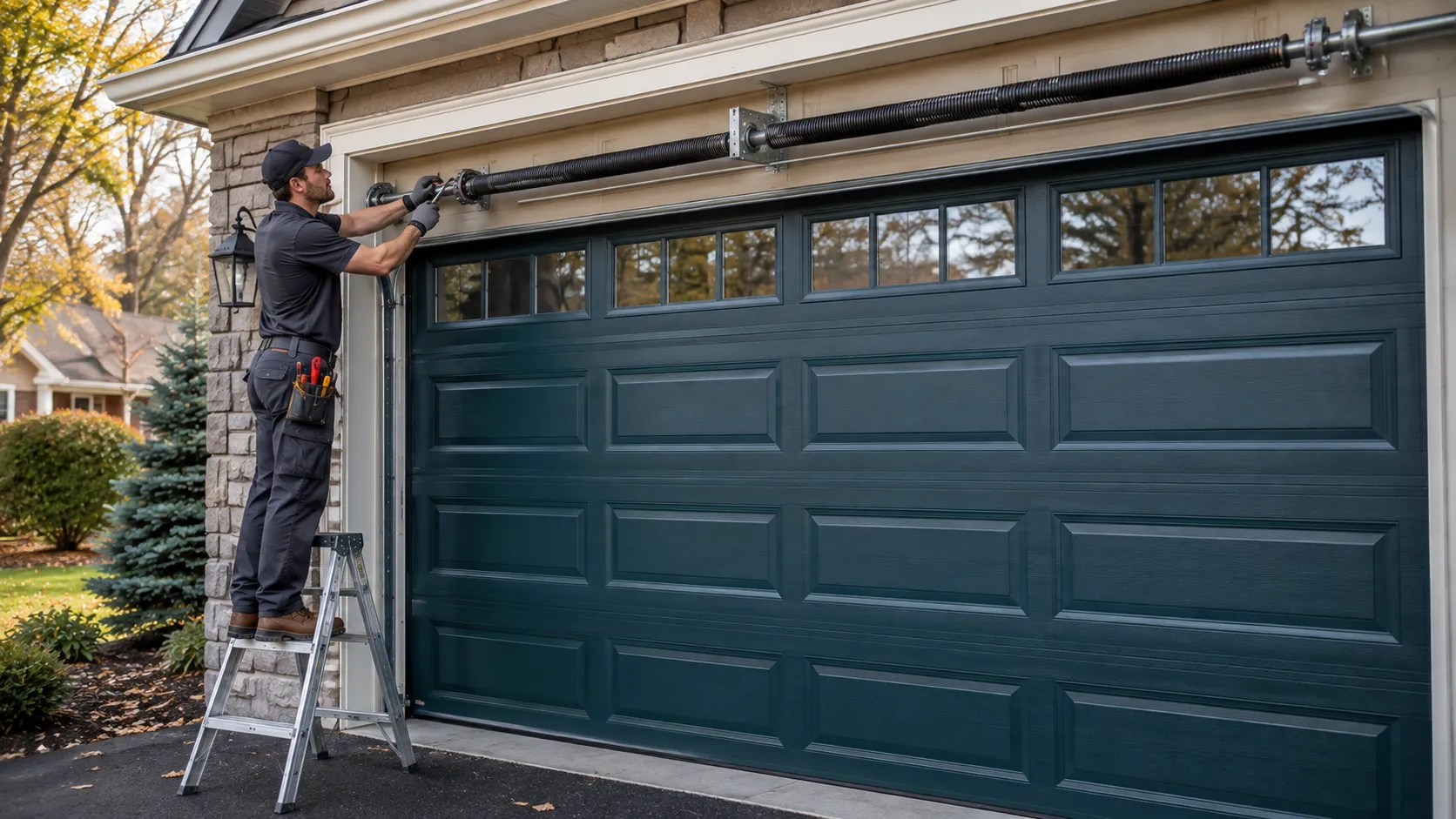

The area
The Symptom
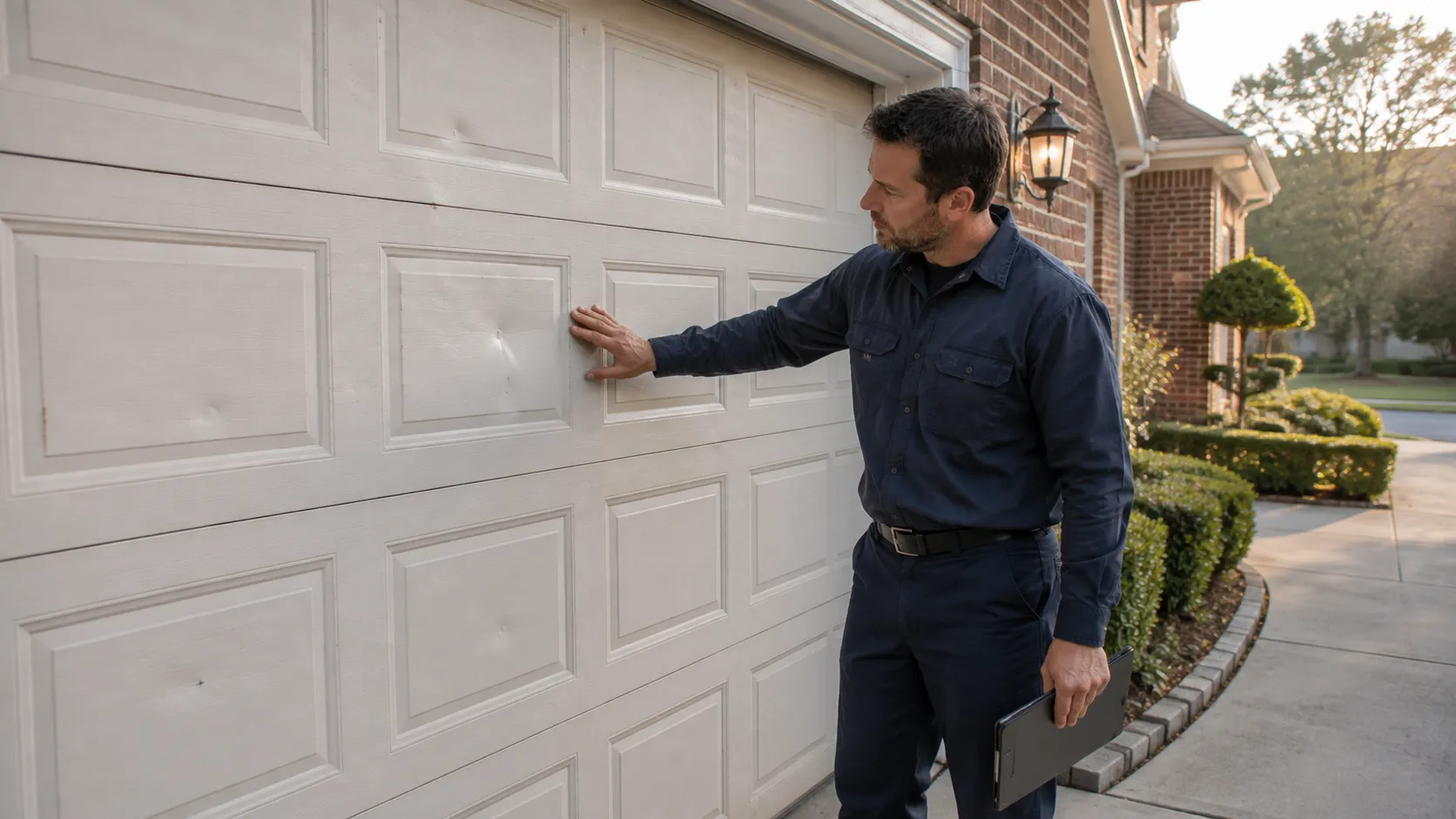
You usually don't call about installation because you woke up wanting a new door. You call because the old one is fighting you - it binds halfway up, it's heavier than it should be to lift by hand, or the panels are visibly bowed from age. On pre-1960 construction, the giveaway is often a door that was clearly re-hung or patched at some point, with hardware that doesn't match itself: a newer opener bolted to an original wood-panel door built for spring hardware from a different generation entirely.
Sometimes it's simpler - the door still runs, but it's a single uninsulated panel door from a build era before insulation standards existed for garages at all, and the owner's tired of losing heat through it every winter. Given this area's cold climate band, that's not a small comfort issue; an uninsulated door lets outside air sit against anything stored against that wall, including a shared wall with living space in some of these older floor plans.
Either way, the symptom that actually points to installation rather than repair is a door and frame that no longer agree with each other - repair just delays the same decision.
What we find
Why This Fails Locally
The combination of housing age and climate is what drives this. With most of the stock built between 1938 and 1992, and a large share of that pre-1960 across the wider area, the doors and openings were never designed around modern insulation or track standards. Add a cold moderate climate band and steel panels, wood jambs, and track hardware all move seasonally - expanding and contracting enough over sixty-plus winters that the original clearances drift out of tolerance.
That drift is why a straight replacement door, ordered to generic big-box sizing, doesn't always hang right on these openings without adjustment. It's also why owners on these blocks tend to call about installation in clusters - a run of houses built in the same year by the same builder tends to develop the same fitment problem around the same age.
This isn't a defect specific to any one house. It's what happens when a building material rated for a few decades of seasonal cycling gets another few decades on top of that. New installation is often the more sensible fix once the frame and hardware have both aged past what a repair can hold together.
How we work
What Is on the Truck
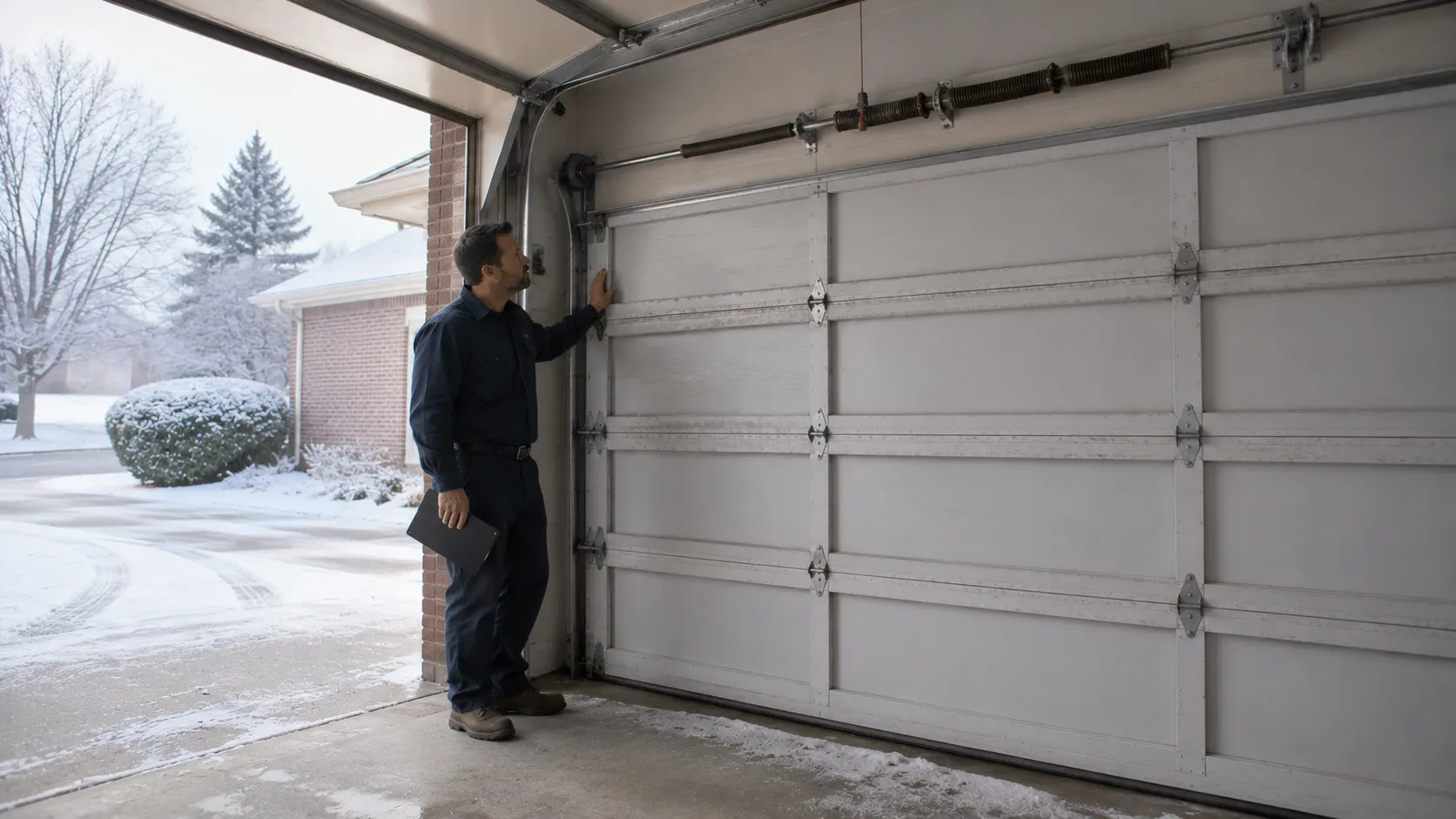
For an installation call in this area, the truck carries both standard and low-headroom track kits, because we won't know which one the opening needs until we're standing in front of it. We stock a range of jamb hardware to account for the width variation common in construction from the 1938 to 1992 range, plus insulated panel options suited to a cold moderate climate - solid-core and polystyrene-core doors both come along, since the right pick depends on whether the garage shares a wall with living space.
We also bring standard torsion and extension spring sets in the sizes that match older openings, along with the fasteners and header reinforcement plates needed if the original framing is undersized for a new heavier door. What we don't carry as standard stock is custom millwork - if the header needs to be rebuilt or widened beyond a shim job, that's a separate trip once a carpenter's been in.
We run installation calls throughout Evanston and nearby communities including Rogers Park, Kenilworth, Golf, Winnetka, and Niles, so the truck is stocked for the mixed housing ages you find across that stretch, not just one build era.
Questions
Common questions
Will a new garage door fit my old opening without changing the frame?
Usually, yes - most doors from the 1938 to 1992 build era just need the right track kit, whether standard or low-headroom, matched to the existing jamb and header. If the header's undersized or rotted, that's carpentry first. We check headroom and jamb width before quoting so there are no surprises on install day.
Is an insulated door worth it for an older Evanston garage?
In a cold moderate climate, yes, especially if the garage shares a wall with living space, which is common in this area's older layouts. An insulated panel door cuts down on that wall becoming a cold sink in winter. It won't heat the garage, but it stops it from actively pulling warmth from the house.
How do I know if I need installation instead of repair?
If the door and frame no longer agree - binding tracks, mismatched hardware from past patch jobs, or visible panel warping on an original door from this area's older stock - repair just delays the same call. A straight repair makes sense when the frame's sound and only one part failed.
Ready when you are
Need a garage door sorted in Evanston?
Evanston Garage Door Pros repairs and installs garage doors, springs and openers in Evanston, IL and the surrounding area.