
Guide
Weather Seals and Draughts: What Evanston Homes Need
Evanston's pre-1960 housing stock and cold winters mean garage door seals fail differently here than in newer suburbs. Here's what that means for your door.
Local detail
The Situation
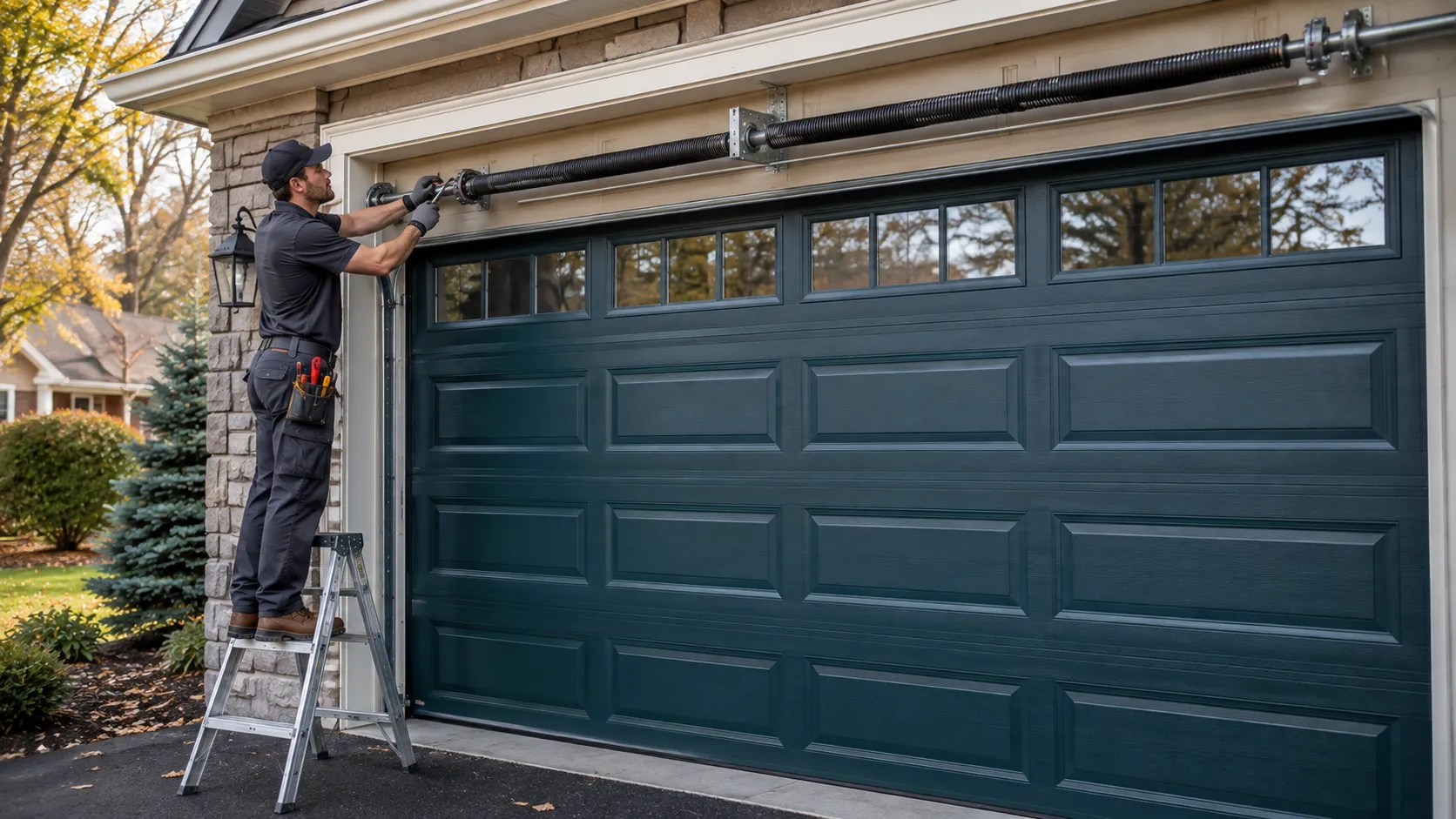
Most of the garage doors we get called out for sit on houses built between 1938 and 1992, with the bulk of that stock going up around 1959. That's not a small detail. A door and frame installed on a house from that era was built to a completely different sealing standard than anything sold today, and the wood jambs around it have had six decades to shift, dry out, and pull away from the slab.
Evanston shares this pattern with the pocket of housing just south in Rogers Park, about two miles down - same building boom, same age problems showing up on both sides of that line. When a bottom seal on a door like this fails, it's rarely because the rubber wore out on schedule. It's because the track or jamb it's sealing against isn't square anymore, and the gasket has been compensating for a gap that keeps growing.
That's why a seal replacement that should take twenty minutes sometimes turns into an afternoon of shimming and re-hanging. The age of the housing here is the whole story - newer subdivisions don't have this problem at anywhere near the same rate.

The area
When It Stops Being a DIY Job
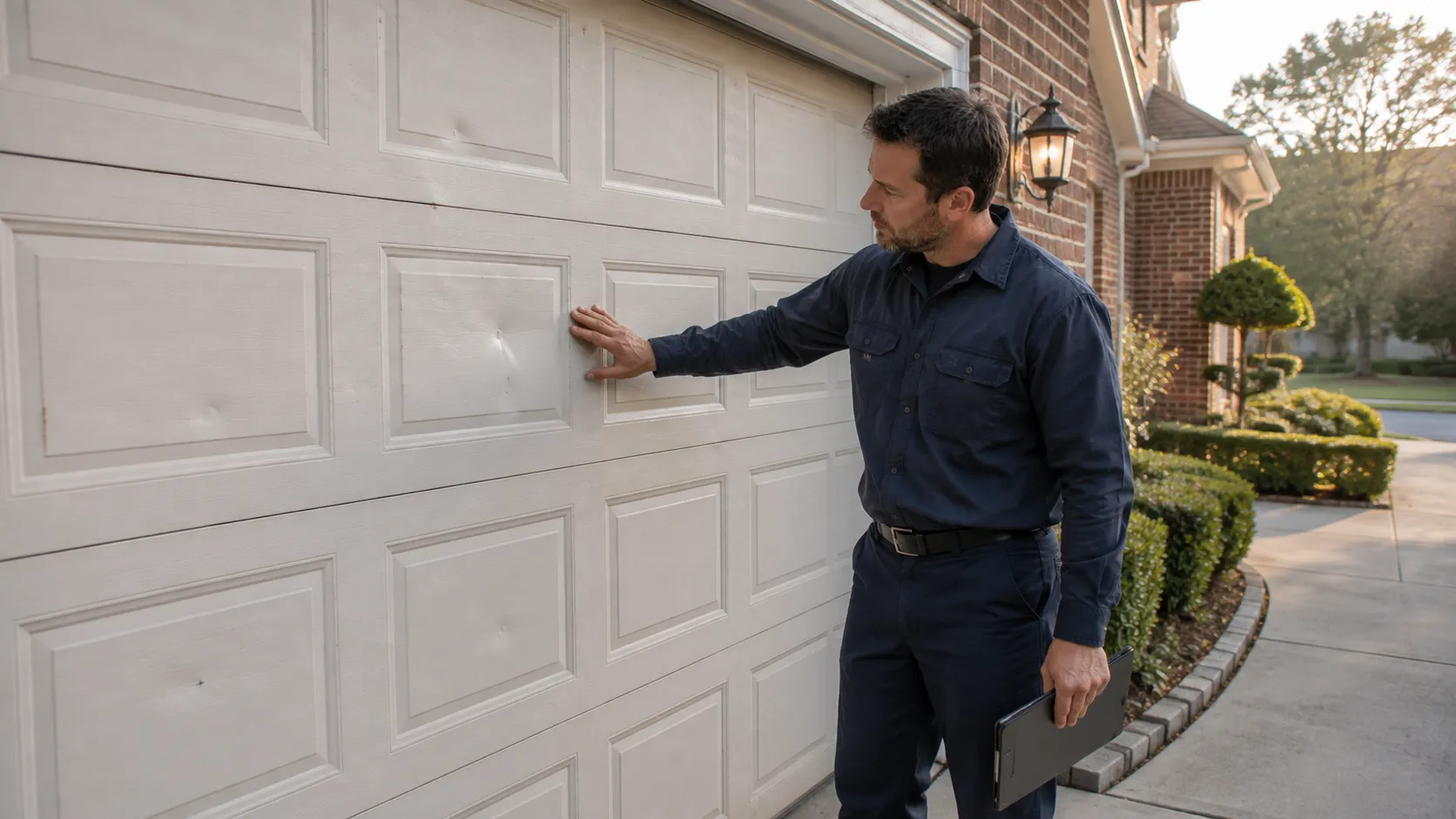
Swapping a bottom seal yourself is fine on a door that's still square and running true. The trouble starts when the gap you're trying to seal isn't even along the bottom - wider on one side than the other - which is common on houses from the 1938-1959 window we see constantly here. At that point a new seal just gets pinched or torn within a season, and you're back where you started with wet weatherstripping and a draught you can feel standing six feet away. If your door has settled enough that daylight shows unevenly along the bottom when it's closed, that's a track or hinge alignment problem, not a weatherstripping problem, and it needs someone under the door with a level, not just a tube of adhesive seal from the hardware store.
We'll say plainly: if the framing around the opening has racked out of square, no seal product fixes that on its own. That's a repair to the hardware first, sealing second. Trying to solve a structural gap with a thicker gasket usually just delays the real fix and wastes the seal.
What we find
The Cost of This Job
We don't have a set price to hand you here, and we'd rather say that than make one up. What we can tell you is what drives the number up or down: whether it's a seal-only swap or a seal-plus-realignment job, and whether the door itself is original to a house from the 1938-1992 range we see most often, in which case matching hardware sometimes means sourcing parts that aren't sitting on a shelf anymore. With a median household income around $91,003 across the area, we find most owners weighing a straightforward seal replacement against a bigger question - is it worth realigning fifty-year-old hardware, or does the door need to go.
That's a call we'll make with you on site, not over the phone. A seal job on a door that's structurally sound is the cheaper path by a wide margin. A seal job on a door that's already out of square is money spent twice if the alignment isn't fixed first.
How we work
What the Weather Here Does to It
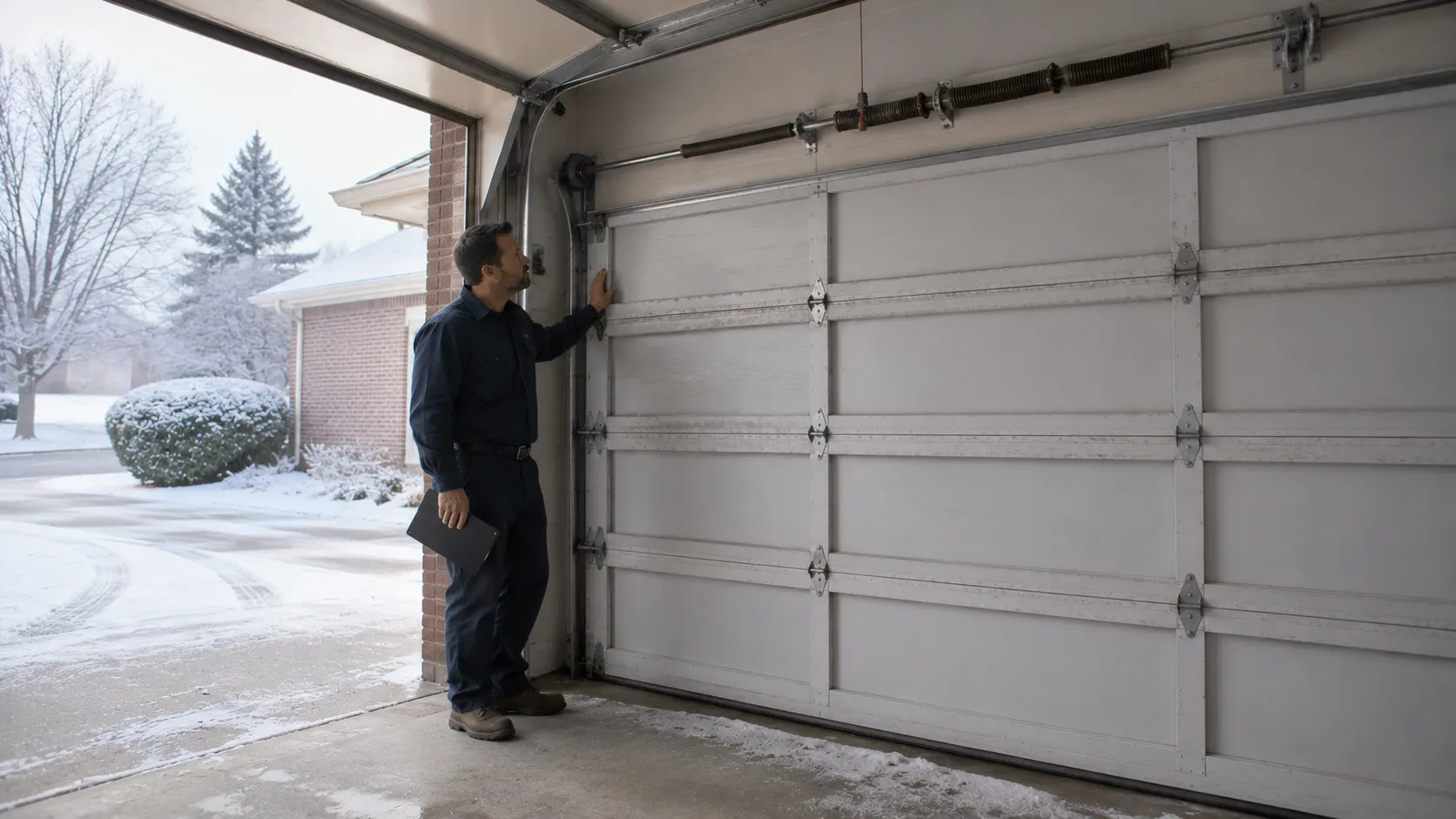
Evanston sits in a cold-moderate climate band, and that means freeze-thaw cycling, not one hard winter event. The seal on your door isn't fighting a single cold spell - it's fighting repeated expansion and contraction of the rubber and the wood jamb around it, month after month, for years. On the pre-1960 stock that makes up most of the housing here, that cycling has already worked the jamb loose in a lot of cases, which is exactly why draughts show up worse in January than they did in October even with the same seal in place.
Cold air finds the gap, and once it does, you'll feel it at floor level in the garage and sometimes through the wall it backs onto. We don't recommend heavier gasket material as a fix for this - it just compresses less evenly in cold weather and can crack sooner. The better fix on an older frame is closing the gap at the source, then sealing it, in that order.
Questions
Common questions
Why does my garage door let in a draught even with new weatherstripping?
On a lot of the older houses here, the jamb or track has shifted out of square over the decades, so the new seal is trying to close a gap that isn't even from side to side. The seal compresses on the tight side and gaps on the other. Fixing the alignment first is what actually stops the draught.
Is it worth resealing an original door from the 1950s?
Often yes, if the door and track are still square. The seal is cheap compared to the door. The question is whether the hardware has held up - if it's racked or the rollers are worn, you're better off fixing that first, then sealing, rather than sealing a door that will just work itself loose again.
Does the cold really make garage door seals fail faster here?
It's less about one cold night and more about the repeated freeze-thaw cycling through the season. That constant expansion and contraction wears on rubber seals and loosens wood jambs faster than a steady climate would. It's a slow wear pattern, not a sudden failure.
Ready when you are
Need a garage door sorted in Evanston?
Evanston Garage Door Pros repairs and installs garage doors, springs and openers in Evanston, IL and the surrounding area.