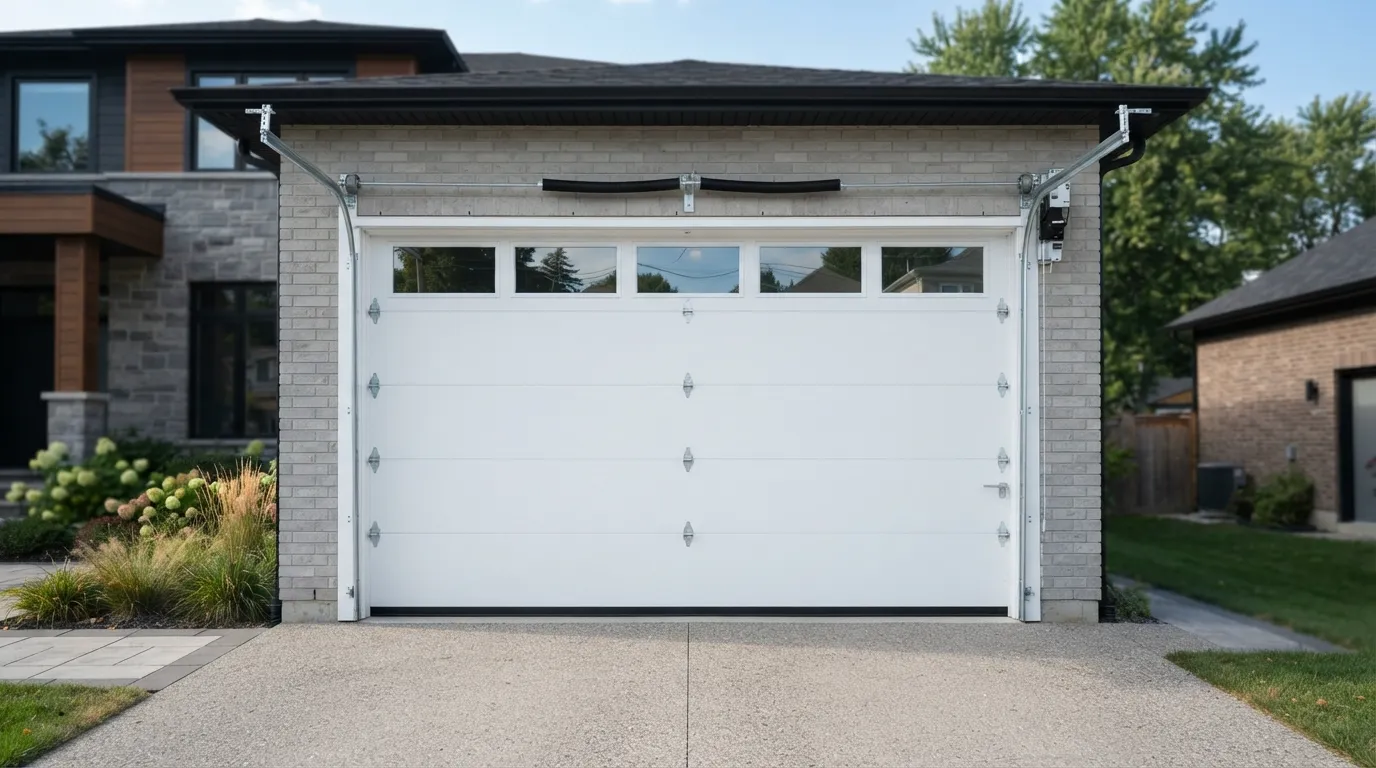
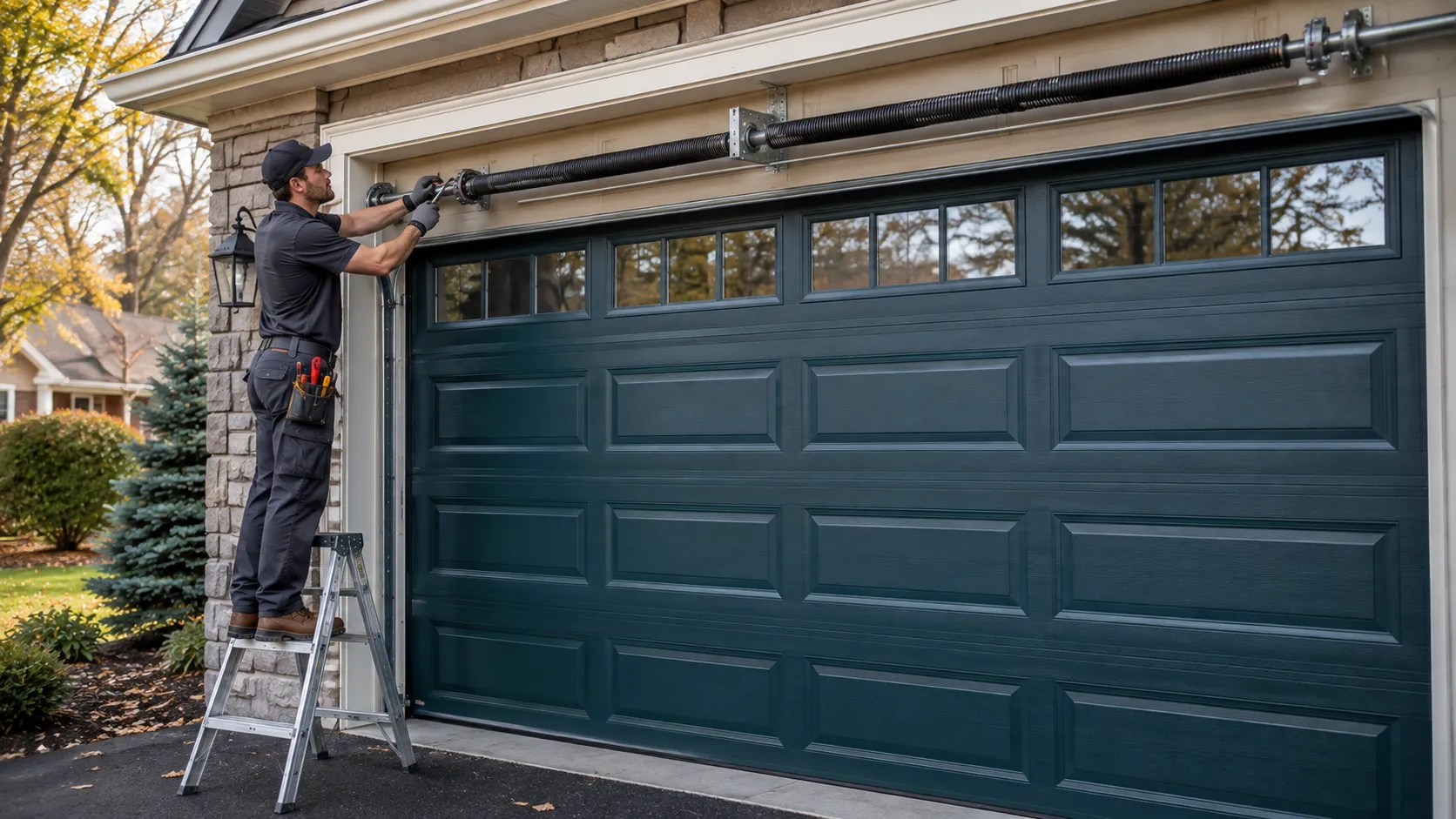
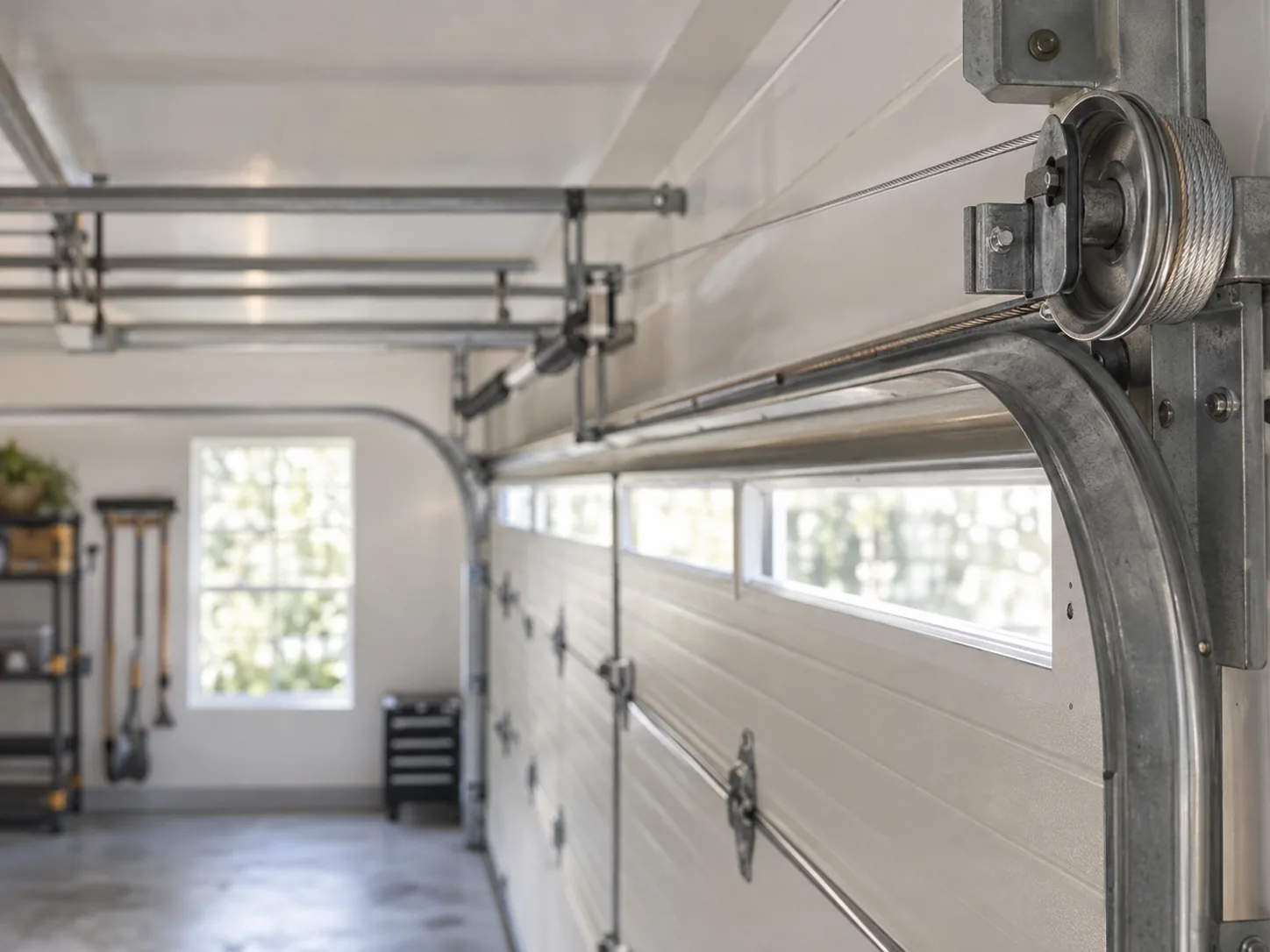
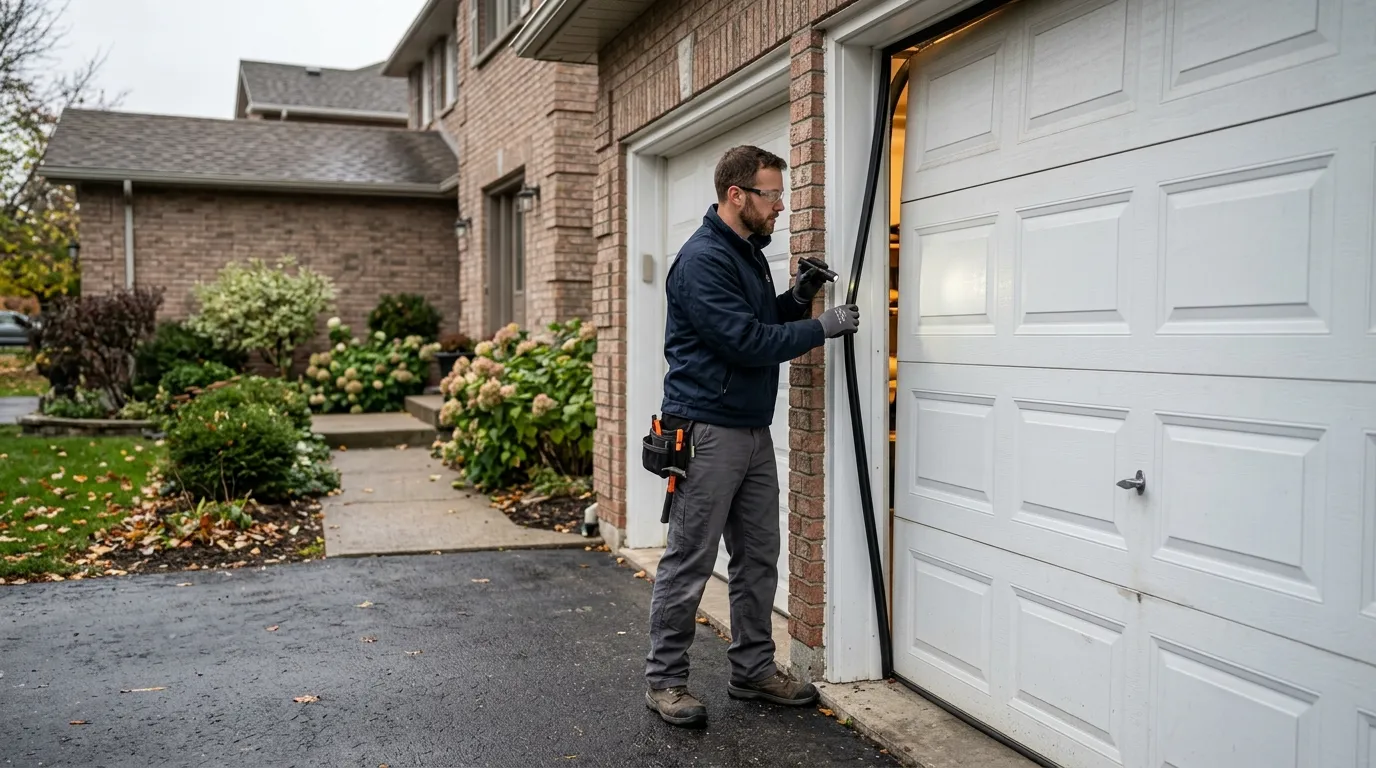
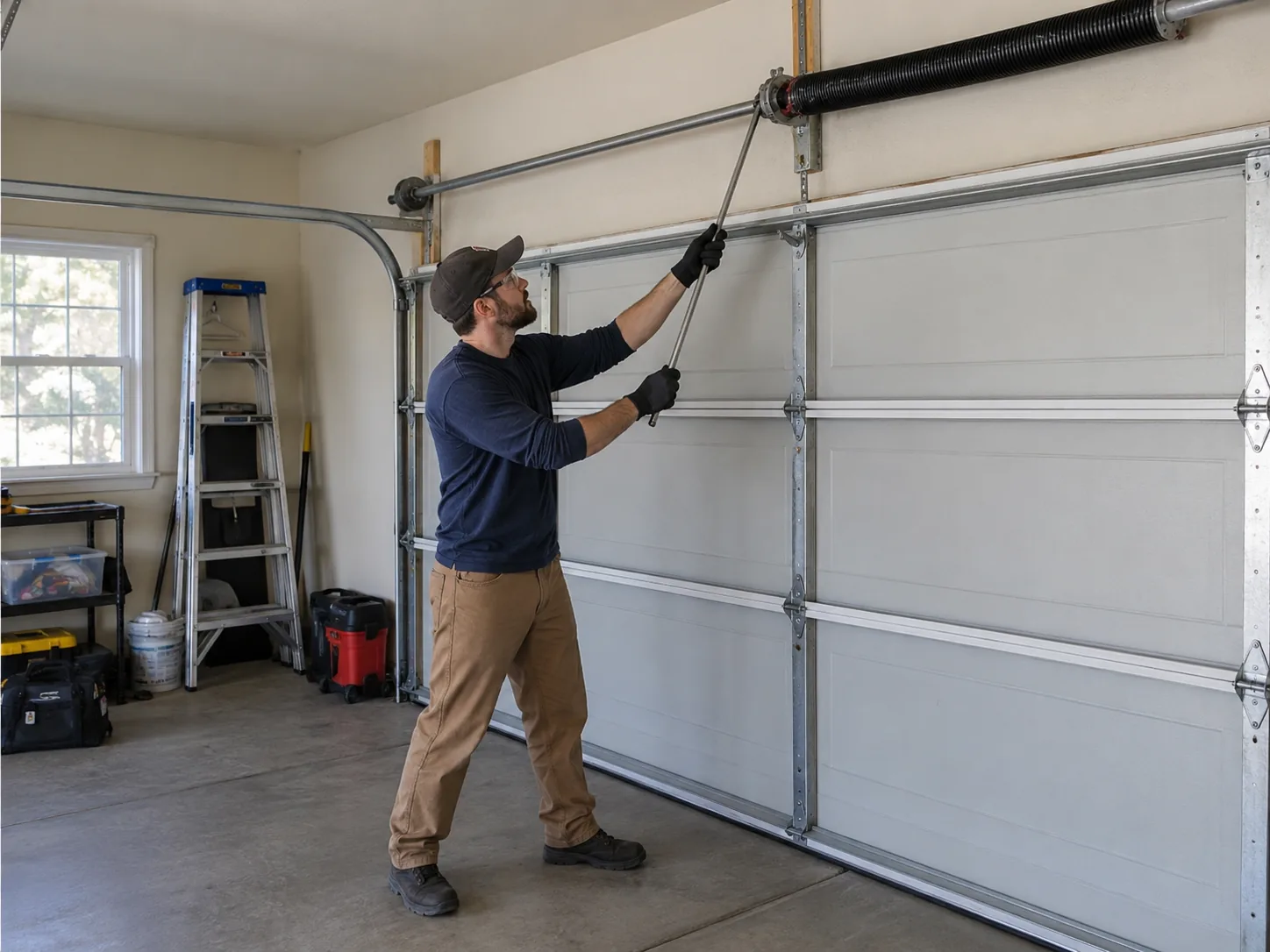
The combination of housing age and climate is what drives this. With most of the stock built between 1938 and 1992, and a large share of that pre-1960 across the wider area, the doors and openings were never designed around modern insulation or track standards. Add a cold moderate climate band and steel panels, wood jambs, and track hardware all move seasonally - expanding and contracting enough over sixty-plus winters that the original clearances drift out of tolerance.
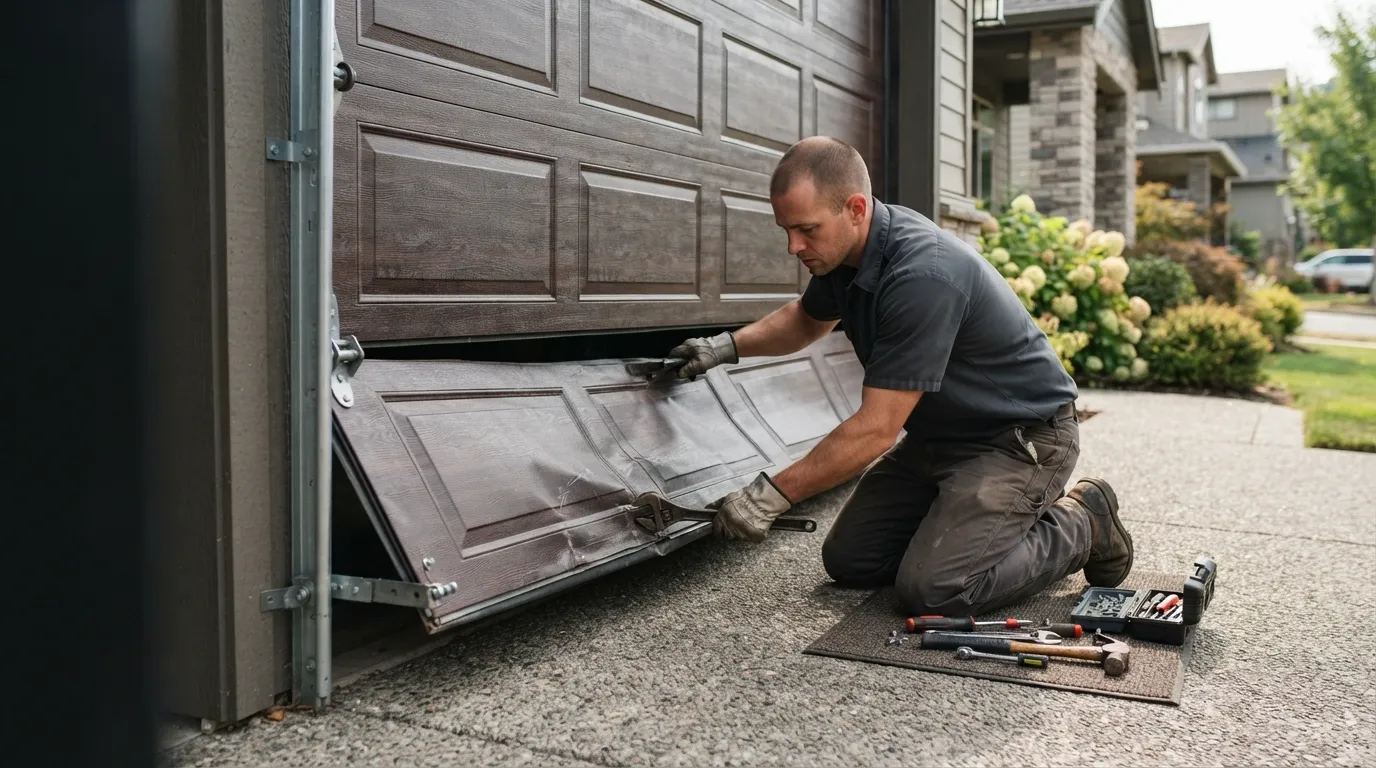
That drift is why a straight replacement door, ordered to generic big-box sizing, doesn't always hang right on these openings without adjustment. It's also why owners on these blocks tend to call about installation in clusters - a run of houses built in the same year by the same builder tends to develop the same fitment problem around the same age.
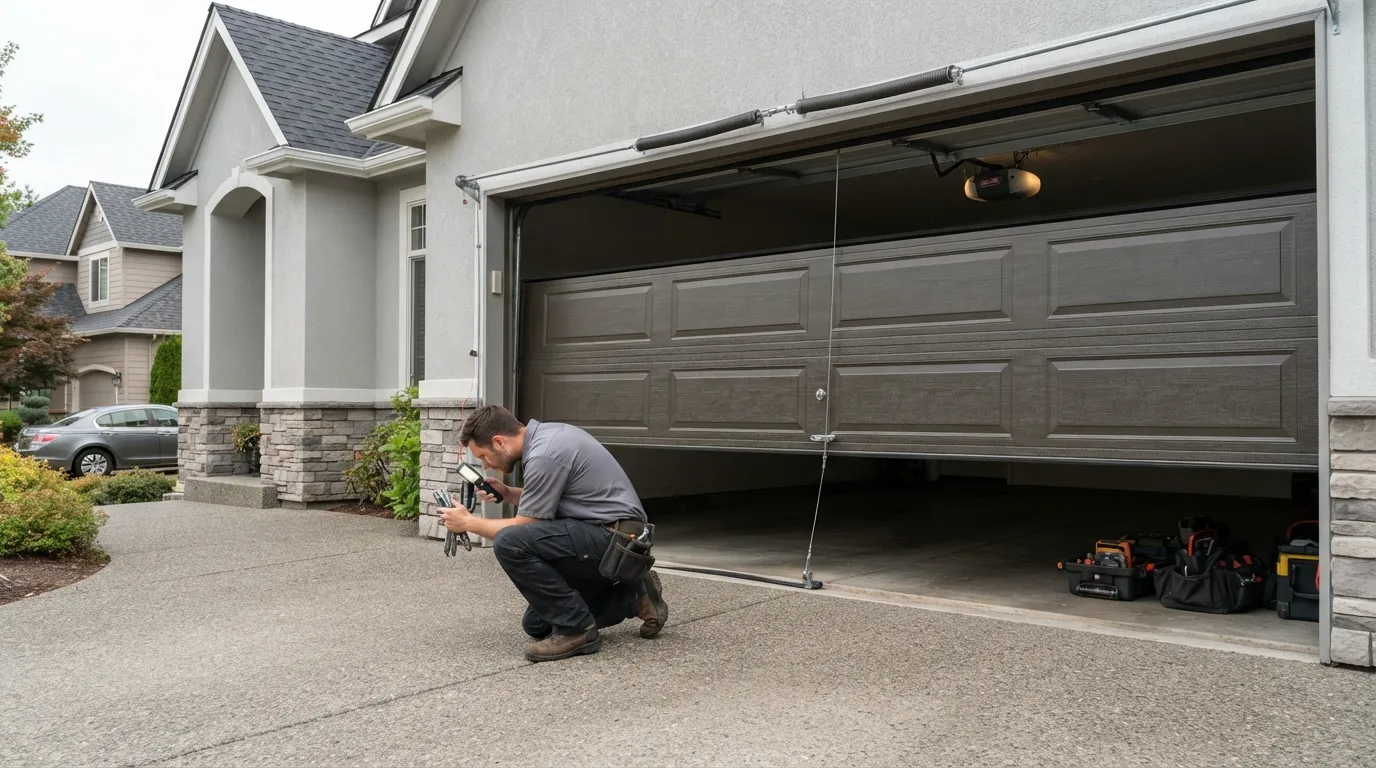
This isn't a defect specific to any one house. It's what happens when a building material rated for a few decades of seasonal cycling gets another few decades on top of that. New installation is often the more sensible fix once the frame and hardware have both aged past what a repair can hold together.